
Scientists have found a powerful new tool in medicine—magnetite nanoparticles. These tiny magnetic particles are making significant changes in how doctors find and treat diseases.
What are Magnetite Nanoparticles?
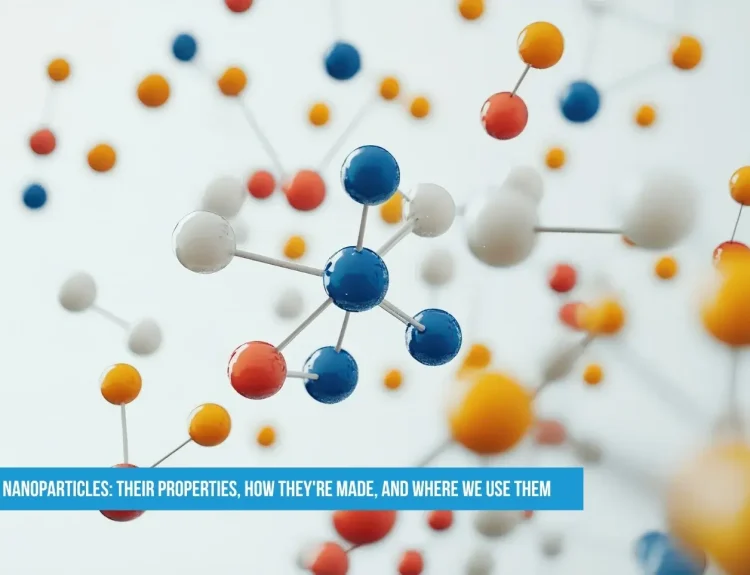
Magnetite is a form of iron oxide (Fe₃O₄) that’s magnetic. When reduced to tiny particles (5-50 nanometers), they acquire special properties that make them ideal for medical use. They’re safe for the body, can be guided with magnets, and can be coated to perform different jobs.
Medical Breakthroughs with Magnetic Nanoparticles
Smarter Drug Delivery
Instead of chemotherapy affecting your whole body, doctors can now attach cancer drugs to magnetic nanoparticles. Using external magnets, they guide these particles right to the tumor. This means:
- More medicine reaches the cancer
- Fewer side effects
- Better treatment results
Heat Treatment for Cancer
Here’s a fantastic application: doctors inject magnetic nanoparticles into tumors, then use a magnetic field to make them heat up. The heat kills cancer cells while sparing healthy tissue. This method, called magnetic hyperthermia, is beneficial for tumors that are difficult to remove surgically.
Better Medical Scans
Magnetite nanoparticles improve MRI scans. They make specific areas of the body appear more clearly in images. Researchers are creating “smart” nanoparticles that light up only when they detect disease markers. This could help doctors detect conditions such as heart disease or Alzheimer’s much earlier.
Faster Lab Tests
In medical labs, these nanoparticles act like tiny magnets, binding to specific cells or proteins in blood samples. This makes tests faster and more accurate. Some rapid tests now use this technology to deliver results in minutes rather than hours.
Why These Particles Work So Well
They’re Controllable
Unlike regular magnets, these nanoparticles only become magnetic when you apply a magnetic field. This means they won’t clump together in your bloodstream until doctors want them to.
Your Body Accepts Them
Our bodies know how to handle iron oxide. With proper coatings, these nanoparticles are safe and eventually break down into materials your body can use or eliminate naturally.
They Can Be Customized
Scientists can coat these particles with different materials to make them perform specific tasks—like finding cancer cells, carrying medicine, or avoiding your immune system.
Looking Forward
While already in use in some treatments, researchers are working to improve these nanoparticles. They’re improving the precision with which particles target specific cells and developing manufacturing methods that ensure every particle functions exactly as intended.
Several magnetic nanoparticle treatments have already been approved for patient use, with more in development.
Conclusion
Magnetite nanoparticles are revolutionizing medicine in remarkable ways. They enable doctors to deliver treatments precisely where needed, enhance the accuracy of medical imaging, and facilitate the development of faster diagnostic tests. As this technology continues to advance, patients can anticipate more effective treatments with fewer side effects and earlier detection of serious health issues.