
In chemistry, most reactions occur when heat is added, which are known as thermal reactions. But what if you could use light instead of a stove to trigger a chemical transformation?
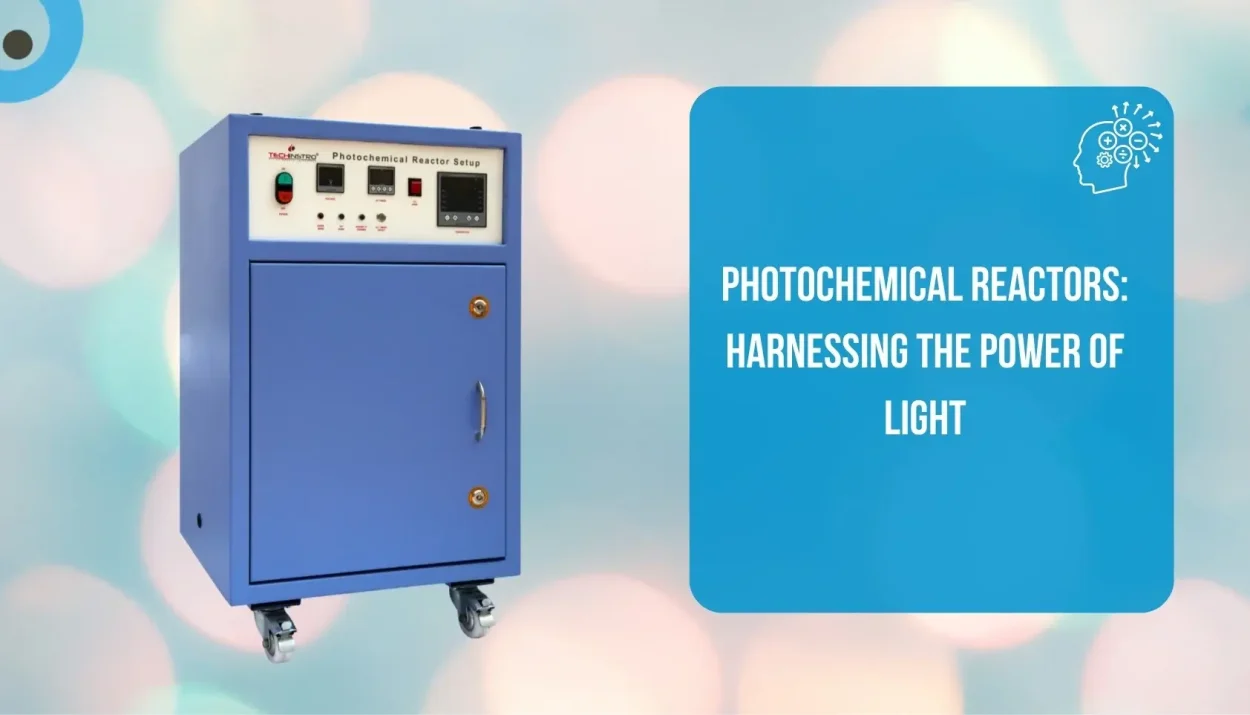
That is exactly what a Photochemical Reactor does. It is specialized laboratory equipment that uses light energy to initiate chemical reactions. If you are a student, a researcher, or just curious about green chemistry, this guide will explain the basics of these fascinating machines and help you choose the perfect setup for your lab.
What is a Photochemical Reactor and How Does it Work?
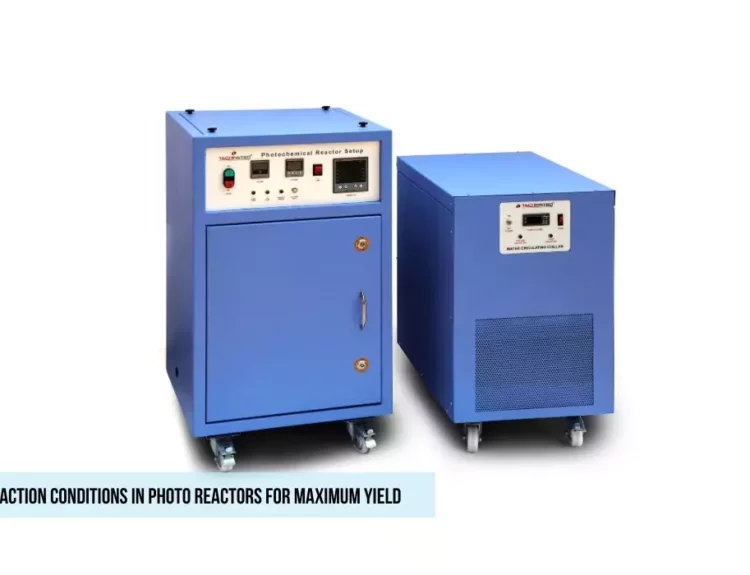
At its simplest, a photochemical reactor is a vessel that holds a chemical mixture and exposes it to specific light. Instead of using heat to break chemical bonds, the molecules in the reactor absorb photons (light particles). This puts the molecules into an excited state, allowing them to react in ways that heat alone couldn’t achieve.
A typical reactor setup consists of three main parts:
- The Light Source: The heart of the reactor. It usually involves Mercury, LED, or Xenon lamps that emit Ultraviolet (UV) or visible light.
- The Reaction Vessel: This is where your chemicals live. It is often made of Quartz or specialized glass because regular glass blocks UV light.
- The Cooling System: Light sources get very hot. To keep the temperature stable and prevent the chemicals from boiling, most reactors have a cooling jacket through which water flows to absorb excess heat.
Why Invest in a Photochemical Reactor?
Using light for chemistry isn’t just cool; it is actually much better for the planet and the lab. Here is why upgrading to one is a smart choice:
- Precision: You can choose a specific wavelength of light to target only one type of molecule, leaving the rest of the mixture untouched.
- Energy Efficiency: Photochemical reactions often happen at room temperature. You don’t need to waste energy heating up a giant vat of chemicals.
- Unique Results: Some chemical bonds can form only with light energy, making these reactors essential for producing advanced plastics.
Product Categories & Variations
When shopping for a reactor, you will often see different terminologies used. Understanding the types will help you narrow down your purchase:
- Standard Photochemical Reactors: Best for direct light interaction. The light directly interacts with the chemicals, causing a change.
- Dedicated UV Reactors: Best for environmental applications. These are specifically used to kill bacteria and break down pollutants in drinking water without using harsh chemicals like chlorine.
Buying Guide: How to Choose the Right Reactor
Here is a quick, bite-sized breakdown of what to keep in mind when buying a photochemical reactor:
- Application: Know your end goal (like solar research or water cleaning) so you buy the right setup for the job.
- Light Source: Match your lamp (Mercury, LED, or Xenon) to the exact light spectrum (UV or visible) your experiment needs to react.
- Vessel Material: You must choose quartz or specialized glass if using UV light, because standard glass will block the UV rays.
- Cooling System: Ensure it has a water-cooling jacket to safely absorb the lamp’s intense heat and prevent your chemical mixture from boiling.
Conclusion
Photochemical reactors represent the future of Green Chemistry. By swapping high heat for targeted light, scientists can perform cleaner, safer, and more efficient experiments. Understanding how light interacts with matter is a powerful tool for any beginner in the sciences, and having the right equipment is the first step.