
Indium Tin Oxide (ITO) coated glass combines optical transparency with electrical conductivity, making it essential in modern optoelectronics.
Selecting the right ITO glass substrate is crucial for optimizing the efficiency of devices like touchscreens, solar cells, and OLEDs.
What is ITO Coated Glass?
ITO is a Transparent Conductive Oxide (TCO) applied to glass, usually by magnetron sputtering, to form a thin conductive film.
Core Properties:
- High Visible Light Transmission: Usually >84% at 550nm.
- Low Sheet Resistance: Ranges from 5 Ω/sq to 100 Ω/sq depending on application.
- Thermal Stability: Maintains conductivity and transparency at high operating temperatures.
Variations: Choosing Your Specifications
When buying ITO glass from suppliers like, define your specifications by four main variables:
Sheet Resistance (Ω/sq)
- The thickness of the ITO coating determines resistance.
- 5–15 Ω/sq: Offers high conductivity, suitable for solar cells and EMI shielding.
- 20–50 Ω/sq: Provides balanced performance, commonly used for LCDs and touch sensors.
- 100 Ω/sq: Delivers high resistance, intended for specialized sensors or heaters.
Glass Substrate Type
- The substrate under the ITO coating is just as important as the coating itself.
- Soda Lime Glass: The industry standard. Common in display screens and basic lab applications, where cost-effective and durable glass is needed.
- Borosilicate Glass: Superior thermal resistance. Used for high-heat laboratory experiments or specialized photovoltaic modules.
- Quartz: Exceptional UV transparency and extreme temperature tolerance. Preferred for scientific sensors requiring high UV sensitivity or laser applications.
Thickness of the Substrate
Standard slides typically come in:
- 0.5 mm / 0.7 mm: Ultra-thin for compact electronics.
- 1.1 mm: The most common standard for laboratory slides.
- 2.2 mm / 3.0 mm: Used for structural panels in touch kiosks or for large-scale display screens.
Surface Finish & Patterning
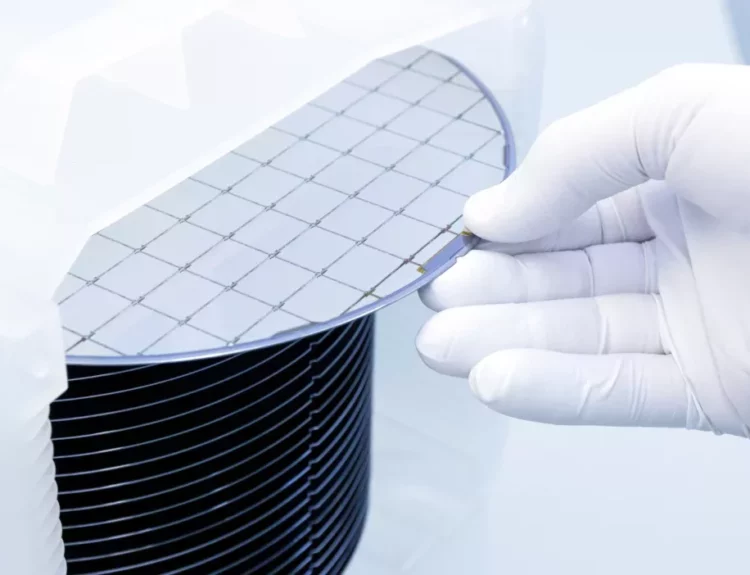
Polished: Essential for thin-film deposition to prevent spikes that short-circuit devices.
Patterned: Some suppliers provide pre-etched circuits or busbars on the glass.
Buying Checklist: 5 Questions to Ask Your Supplier
- What is the Peak Transmittance? Don’t just ask for transparency. Ask for the transmittance at a specific wavelength (e.g., 550nm).
- What is the RMS Roughness? For OLED applications, you need a very smooth surface (usually < 2 nm) to avoid device failure.
- Is the Edge Polished? For safety and to prevent stress cracks during heating, polished edges are preferred.
- How is it packaged? ITO glass is sensitive to moisture and glass rot. Ensure it is vacuum-packed or stored with interleaving paper.
- Are Custom Sizes Available? While 25 mm X 25mm or 25mm X 75 mm are standard, custom laser cutting is often required for specific prototypes.
Comparison Table: Common Applications
| Application | Recommended Resistance | Preferred Glass |
| Dye-Sensitized Solar Cells (DSSC) | 7–10 Ω/sq | Soda Lime / FTO |
| OLED Research | 15–20 Ω/sq | Polished Soda Lime |
| Touch Screen Panels | 30–100 Ω/sq | Ultra-thin Soda Lime |
| Electroluminescent Displays | $10–15 Ω/sq | Borosilicate |
Conclusion
Selecting ITO-coated glass is a balance: higher conductivity means lower light transmission. For most research, a 10–15 Ω/sq coating on 1.1 mm soda lime glass is a versatile, standard choice.