
Have you ever wondered how your smartphone screen knows exactly where you tap? Or how solar panels turn sunlight into power? The secret often lies in a special material called ITO Coated Glass. If you are new to the world of smart materials and electronics, this guide is for you.
What is ITO Coated Glass?
ITO stands for Indium Tin Oxide. It is a unique mixture of indium, tin, and oxygen.
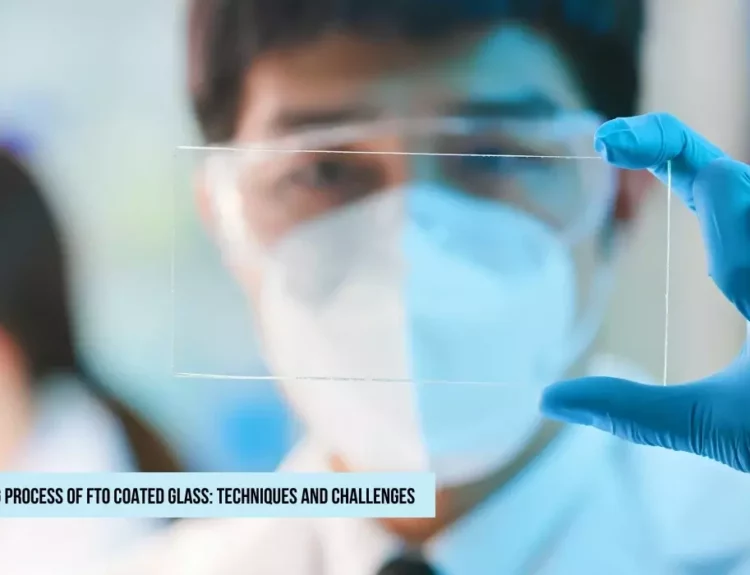
When a very thin layer of this material is baked or sputtered onto a sheet of glass, it creates Coated Glass. This coating gives regular glass a superpower: it can conduct electricity while remaining completely clear.
Normally, materials that conduct electricity (like copper or iron) are solid and opaque. Clear materials (like regular glass or plastic) block electricity. It bridges this gap by providing a material that is both transparent and conductive.
How Does ITO Coated Glass Work?
The coating is usually only a few nanometers thick, allowing light to pass through without being blocked. Simultaneously, the chemical makeup allows electrons to flow freely across the surface. When you touch an ITO-coated surface, you change the electrical field, allowing sensors to detect your finger’s exact location.
What Are the Main Uses?
Because it carries current without blocking light, you interact with it almost every day in:
- Touchscreens: Used in smartphones, tablets, and ATM machines.
- Solar Cells: Allow sunlight in while carrying away generated electricity.
- Smart Windows: Enable windows to tint automatically.
- Display Screens: Used in OLED and LCD televisions to light up pixels.
Why Choose ITO Over Other Materials?
- High Clarity: It lets up to 90% of visible light pass through.
- High Conductivity: It conducts electrical current very efficiently.
- Durability: The coating is physically hard and resists scratches, moisture, and extreme temperatures.
- Laser Etching: It is easy to laser-cut electrical pathways directly into the layer without breaking the glass.
Why Choose Us?
When you source your transparent conductive substrates from us, you are choosing industry-leading quality and precision.
- Superior Coating Uniformity: Our Indium Tin Oxide layers are applied to exacting standards, ensuring consistent electron flow across the entire surface.
- High-Grade Transparency: We maximize light transmission, ensuring our glass meets the 90% clarity standard required for premium displays and solar research.
- Versatile Substrates: Whether you need slides for laboratory research or larger sheets for manufacturing, we offer a range of sizes tailored to your project.
- Expert Support: We help you navigate the complexities of smart materials, from understanding resistance levels to choosing the right glass thickness.
Guide for ITO Coated Glass
Before purchasing your ITO Coated Glass, consider these:
- Surface Resistance: Choose a resistance level (measured in ohms per square) that matches your project’s electrical needs.
- Dimensions & Thickness: Ensure the glass size and thickness fit your device’s physical constraints.
- Application Type: Specify if you need the glass for touch sensors, solar cells, or heaters, as this may change the required coating thickness.
Conclusion
ITO-coated glass is the invisible workhorse powering modern electronics. To wrap things up, ITO-coated glass is an incredible, invisible workhorse powering today’s modern electronics. By perfectly balancing electrical conductivity with clear visibility, it enables everything from your smartphone to advanced solar panels. Whether you are a curious beginner or a hobbyist building your own electronics, understanding this is a great first step into the world of smart materials.