

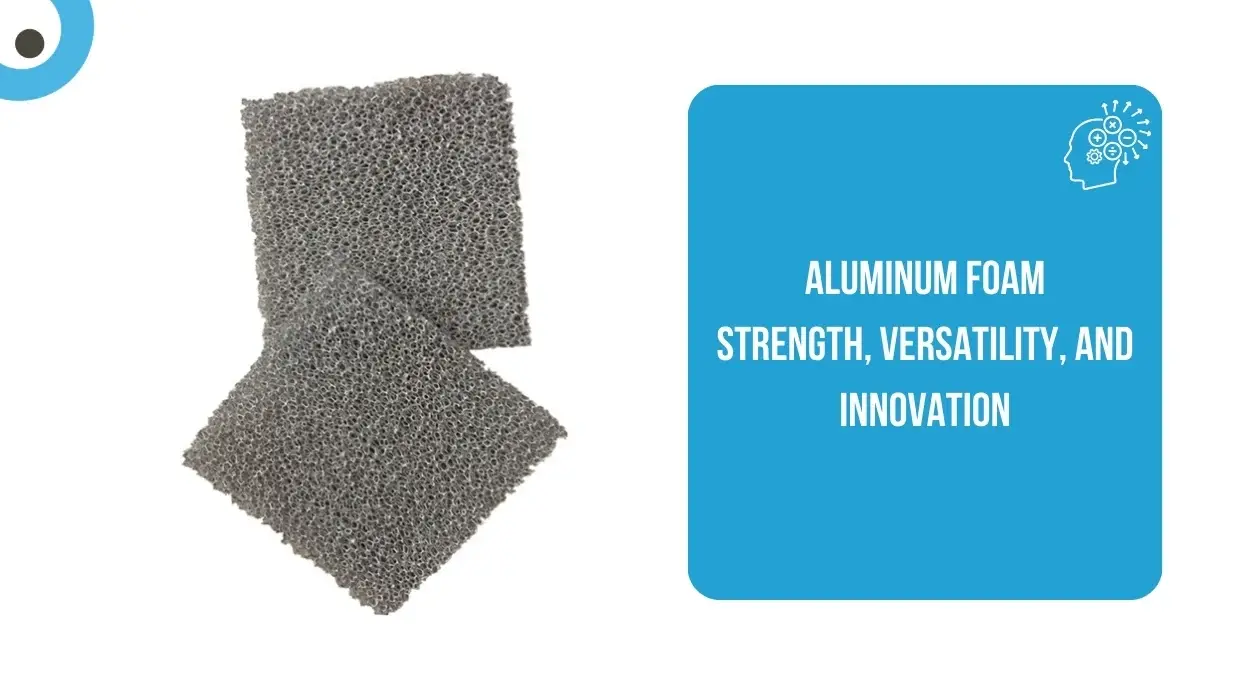
Aluminum Foam stands out among advanced materials. As light as a sponge but strong as metal, it serves industries from aerospace to interior design.
If you want an Aluminum Foam Manufacturer and Supplier you can truly depend on, this guide is your essential resource to making informed, high-impact choices. Discover which variations and benefits will drive your project success and learn how to make the smartest selection for your needs.
What is Aluminum Foam?
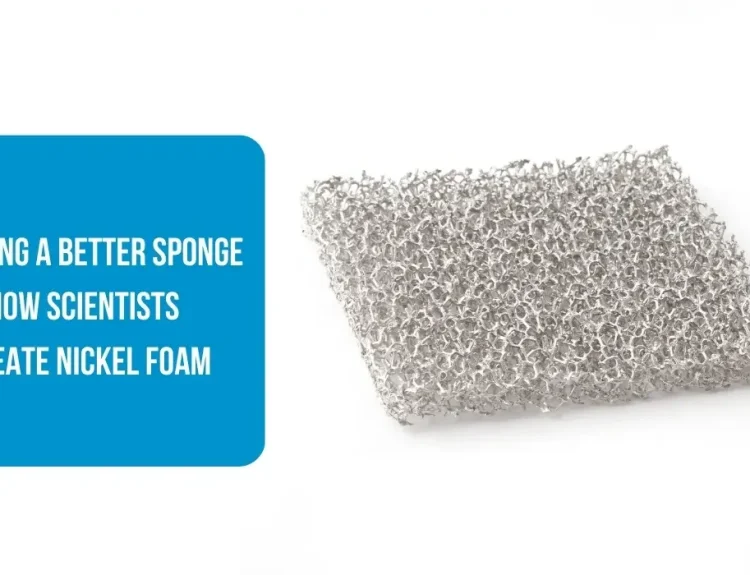
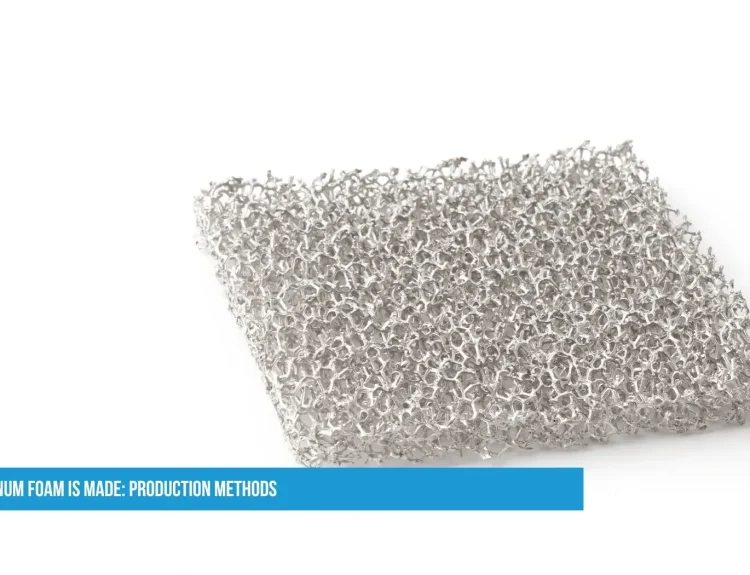
Aluminum foam is solid aluminum filled with gas pores, like a metal sponge. Open-Cell versions have interconnected pores; Closed-Cell foams have sealed bubbles. Each suits different industries.
Key Specifications:
- Density: 0.2 to 0.6 g/cm³ (Customizable up to 0.8 g/cm³)
- Porosity: 60% to 90%
- Compressive Strength: Up to 44 MPa
- Thermal Resistance: Service temperatures up to 450°C
- Dimensions: Available in standard sheets (e.g., 300mm x 200mm) or custom-cut blocks.
Variations & Types: Which One Do You Need?
Choosing the right variation is the most critical part of your purchase. Here are the primary types available:
Closed-Cell Aluminum Foam
- Here, sealed pores make the material buoyant and highly energy-absorptive.
- Best for automotive crash barriers, blast protection, and architectural cladding.
- Key Benefit: High strength-to-weight ratio and strong impact absorption.
Open-Cell Aluminum Foam
- This foam’s interconnected pores allow air or liquids to pass through.
- Best for heat exchangers, filtration, and battery electrodes.
- Key Benefit: High surface area and great thermal or electrical conductivity.
Aluminum Foam Sandwich (AFS) Panels
- These have an aluminum foam core between two solid metal sheets.
- Best for lightweight train flooring, stiff panels, and fire-resistant walls.
What to Consider Before Ordering
Don’t leave your success to chance. Verify these factors with your supplier to guarantee the aluminum foam meets and exceeds your engineering standards:
- Pore Size (PPI): For open-cell foam, PPI determines the flow rate and surface area. Scientific research often requires 10-40 PPI.
- Density vs. Strength: Lower density means a lighter product but less compressive strength. Always balance your weight requirements with the load the material must carry.
- Processing Capabilities: Ensure your supplier can provide CNC Machining. Aluminum foam can be cut, drilled, and welded, but it requires specific tools to maintain its structure.
- Depending on use, you may want powder coating, anodizing, or rough finishes.
Why choose us?
As a pioneer in the metal foam industry, it offers several advantages:
- Global Reach: We offer rapid shipping and worldwide delivery, ensuring prompt access for research labs and large-scale industrial projects anywhere.
- Customization: We specialize in made-to-order dimensions, allowing you to bypass the limitations of standard catalog sizes.
- ISO Certified Quality: Our strict quality control ensures that porosity and density remain consistent across bulk orders.
- Technical Support: Our engineers help select materials for niche applications such as EMI shielding and acoustic insulation.
Conclusion: The Future is Lightweight
Aluminum foam is no longer a futuristic concept it is the advanced, practical answer to today’s boldest engineering challenges. If you are determined to boost fuel efficiency, maximize fire resistance, or achieve breakthrough thermal performance, now is the time to harness the advantages only aluminum foam can provide.