
Some materials improve existing technologies. Others redefine what is scientifically possible. Graphene Powder belongs to the second category.
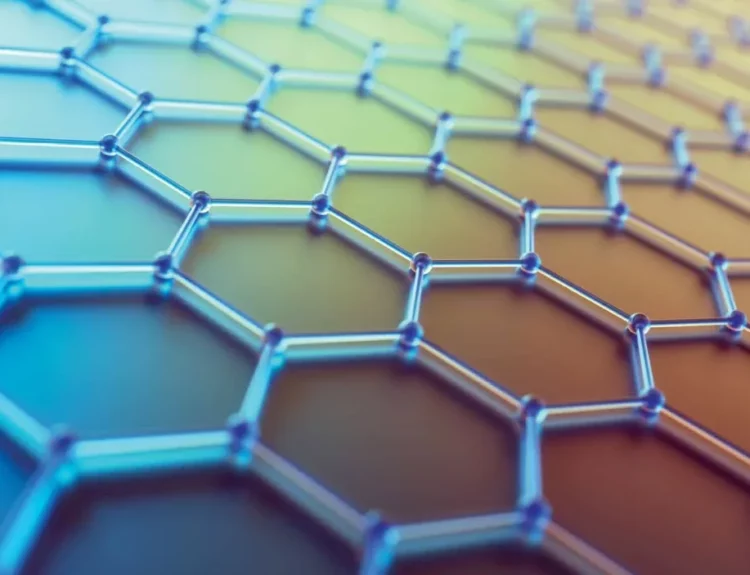
Since the isolation of graphene in 2004, it has attracted unprecedented attention from researchers across physics, chemistry, materials science, electronics, energy storage, and biomedical engineering. Composed of a single layer of carbon atoms arranged in a hexagonal lattice, graphene is often described as one of the most extraordinary materials ever discovered. Yet, beyond the headlines and laboratory demonstrations, graphene powder has become one of the most versatile research materials available today.
From improving battery performance and strengthening composite materials to enabling flexible electronics and next-generation sensors, graphene powder continues to inspire innovations that could shape the technologies of tomorrow.
What Is Graphene Powder?
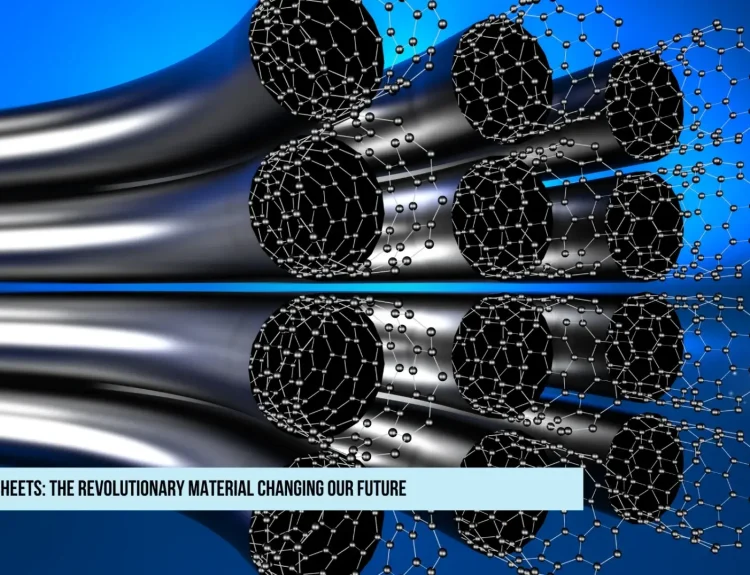
Graphene powder consists of microscopic graphene flakes produced through carefully controlled synthesis and exfoliation processes. Depending on the manufacturing method, the powder may contain single-layer, few-layer, or multi-layer graphene sheets, each offering distinct properties suited to specific research applications.
Unlike bulk graphite, where millions of carbon layers are stacked together, graphene exposes an enormous surface area relative to its weight. This unique two-dimensional structure provides researchers with exceptional electrical, thermal, and mechanical properties that are difficult to achieve with conventional materials.
Its powder form also makes graphene easier to disperse, modify, combine with other materials, and integrate into experimental formulations.
Why Graphene Continues to Fascinate Researchers
Few materials have generated as much scientific interest as graphene. Thousands of research papers are published every year exploring its properties and potential applications.
The excitement surrounding graphene stems from its remarkable combination of properties.
Exceptional Electrical Conductivity
Electrons move through graphene with remarkable efficiency, making it an outstanding material for conductive coatings, electrodes, sensors, and electronic devices.
Outstanding Mechanical Strength
Although only one atom thick, graphene is significantly stronger than steel by weight. This exceptional strength enables researchers to reinforce polymers, ceramics, and composite materials without substantially increasing weight.
Superior Thermal Conductivity
Graphene efficiently transfers heat, making it valuable for thermal management systems, electronic cooling, and advanced heat-dissipation materials.
Large Specific Surface Area
Its enormous surface area provides abundant active sites for chemical reactions, adsorption, and catalyst support, making graphene especially attractive for energy storage and environmental applications.
Lightweight Structure
Graphene adds functionality while contributing minimal additional mass, an important advantage in aerospace, transportation, and wearable technologies.
A Platform for Scientific Discovery
Graphene powder is no longer viewed simply as an advanced material—it has become a research platform supporting innovation across multiple disciplines.
Energy Storage
Researchers are incorporating graphene powder into lithium-ion, sodium-ion, and supercapacitor batteries to improve electrical conductivity, increase charge-discharge rates, and enhance cycle stability.
Its conductive network helps reduce internal resistance while improving overall energy storage performance.
Sensors and Biosensors
The atomic thickness of graphene makes it extremely sensitive to environmental changes.
Scientists utilize graphene powder to develop highly responsive sensors capable of detecting gases, biomolecules, humidity, pressure, and environmental contaminants at very low concentrations.
Composite Materials
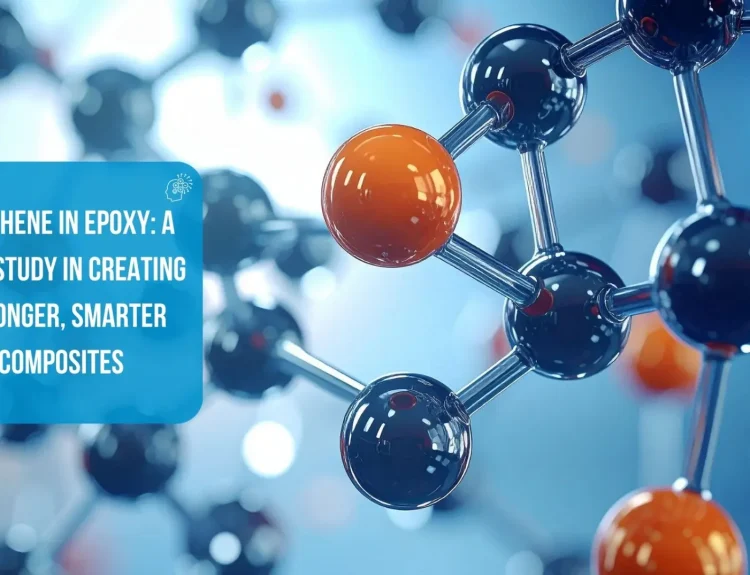
By dispersing graphene powder into polymers, metals, ceramics, and cement, researchers create composite materials with improved strength, durability, electrical conductivity, and thermal performance.
Even small amounts of graphene can significantly enhance material properties.
Flexible Electronics
The future of electronics increasingly involves flexible and wearable devices.
Graphene powder supports research into bendable conductive films, transparent electrodes, flexible sensors, and next-generation electronic textiles.
Catalysis
Graphene serves as an excellent catalyst support due to its high surface area and electrical conductivity.
Researchers investigate graphene-supported catalysts for hydrogen production, fuel cells, carbon dioxide reduction, and sustainable chemical synthesis.
Water Purification
Graphene-based filtration membranes are being studied for desalination, wastewater treatment, and removal of heavy metals and organic pollutants.
Its unique nanostructure offers promising opportunities for next-generation water purification technologies.
Why Powder Form Matters
Graphene can be produced in several forms, including films, dispersions, foams, and powders.
For research laboratories, powder offers exceptional versatility because it can be easily incorporated into diverse experimental systems.
Researchers can:
- Prepare graphene dispersions.
- Produce conductive inks.
- Fabricate composite materials.
- Coat substrates.
- Modify electrode surfaces.
- Functionalize graphene chemically.
- Develop printable electronic devices.
Its adaptability makes graphene powder one of the most practical starting materials for laboratory research.
Factors Researchers Should Consider
Selecting the appropriate graphene powder depends on the intended application.
Important characteristics include:
- Number of graphene layers
- Lateral flake size
- Surface area
- Carbon purity
- Electrical conductivity
- Oxygen content
- Bulk density
- Defect density
- Functional groups
- Particle size distribution
Understanding these parameters helps researchers achieve consistent and reproducible experimental outcomes.
Best Practices for Laboratory Use
To maximize research performance, graphene powder should be handled carefully.
Researchers should:
- Store the material in tightly sealed containers.
- Protect it from moisture and contamination.
- Use appropriate personal protective equipment during handling.
- Prepare dispersions using suitable solvents and dispersion techniques.
- Characterize each batch before critical experiments.
- Follow recommended laboratory safety procedures when handling nanomaterials.
Proper storage and handling contribute to reliable experimental results and long-term material stability.
The Future of Graphene Research
Graphene continues to influence nearly every branch of materials science.
Emerging research areas include:
- Solid-state batteries
- Hydrogen storage
- Artificial intelligence hardware
- Quantum technologies
- Flexible medical devices
- Smart coatings
- Transparent electronics
- Advanced aerospace materials
- Biomedical engineering
- Sustainable energy systems
As production methods improve and manufacturing costs decrease, graphene is expected to transition from a predominantly research-focused material to widespread industrial adoption.
Its potential extends beyond improving existing products—it offers opportunities to develop technologies yet to be imagined.
Conclusion
Graphene powder represents far more than an advanced carbon material. It is a catalyst for scientific innovation, enabling researchers to explore new frontiers in energy, electronics, healthcare, environmental science, and advanced manufacturing.
Its remarkable combination of electrical conductivity, mechanical strength, thermal performance, and enormous surface area has established it as one of the most influential research materials of the twenty-first century.
For scientists seeking to develop the next generation of high-performance materials and technologies, graphene powder provides not just a research material, but a foundation for discovery. As laboratories continue to unlock its full potential, graphene will remain at the forefront of scientific progress, driving innovations that shape the future of technology.