


The Shifting Landscape of Air Sampling
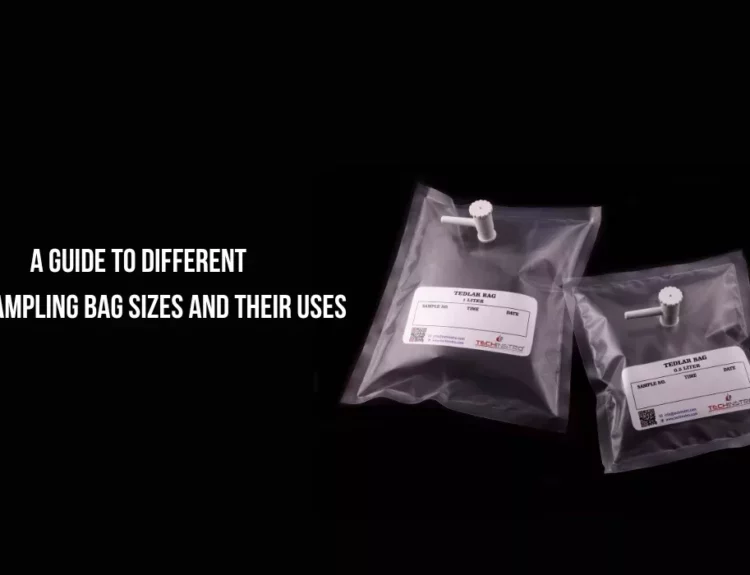
If you work in environmental monitoring or industrial hygiene, you know the Kynar gas sampling bag. For decades, this PVDF bag has been the standard for collecting VOCs and permanent gases due to its inertness and durability.
As the landscape of air sampling evolves, a new concern has emerged for laboratories: PFAS.
What is Kynar Bag? (And Why It Matters)
Kynar is the brand name for Polyvinylidene Fluoride (PVDF). It makes a clear, tough film in sampling bags and resists many chemicals.
They are sturdy and UV-resistant.
They maintain sample integrity for up to 72 hours.
This performance is exactly why environmental agencies, power plants, and research labs depend on them.
The Core of the Dilemma: Kynar Is a PFAS
Here is the critical point: Because Kynar (PVDF) is a fluoropolymer, it falls under the broad per- and polyfluoroalkyl substances (PFAS) classification. However, the PVDF used in Kynar bags is a large, high-molecular-weight polymer, unlike the smaller, more mobile PFAS often regulated for environmental and health concerns. These smaller PFAS have greater potential to migrate and bioaccumulate, whereas PVDF is solid and stable and behaves differently.
This has created a significant dilemma:
The Fear: New regulations may target thousands of PFAS. Any fluorine-containing product could be restricted.
The Reality: PVDF is a large, inert polymer. It’s not a contamination source like small, mobile PFAS.
This distinction is crucial for your compliance strategy.
Why Your Kynar Bag is Likely Still the Right Choice
For most uses, the Kynar bag helps, not hinders, PFAS detection. Here’s why:
- Inertness prevents sample contamination.
When you are trying to detect trace levels of other pollutants, you need a bag that won’t leach its own contaminants. Unlike some materials, high-quality PVDF bags, like those from, do not expose background levels of DMAC or phenol, ensuring sample integrity. - Regulatory Focus is on Mobile PFAS
The current wave of regulations targets specific, problematic PFAS molecules—typically those that are small, mobile, and able to move through water and accumulate in living organisms. The solid, stable polymer used in your Kynar bag is chemically distinct from these regulated PFAS types and is not the focus of these regulatory actions. - Essential for New Compliance Rules
To meet stricter emission limits, you need reliable sampling. Kynar bags are proven to collect parts-per-billion (ppb) levels of gases, making them essential for the monitoring required by new laws.
Best Practices for the PFAS-Conscious Lab
To navigate this dilemma with confidence:
Source from Reputable Manufacturers: Buy from established suppliers using high-quality film. Companies like us offer customization and provide the quality assurance you need.
Don’t Reuse Bags: As advised, avoid reusing bags to prevent cross-contamination.
Run Blanks: When testing for PFAS, run method blanks with your Kynar bags to verify there is no background interference.
Conclusion: An Informed Choice is Your Best Strategy
The PFAS concern does not necessarily require new equipment. The issue with Kynar is a distinction, not a danger. Kynar (PVDF) bags remain essential and reliable for accurate gas sampling.
By working with proven suppliers, we ensure accurate environmental analysis and lead best practices and compliance in a changing regulatory landscape. Make an informed decision: Kynar gas sampling bags remain a reliable choice in PFAS-era air monitoring.