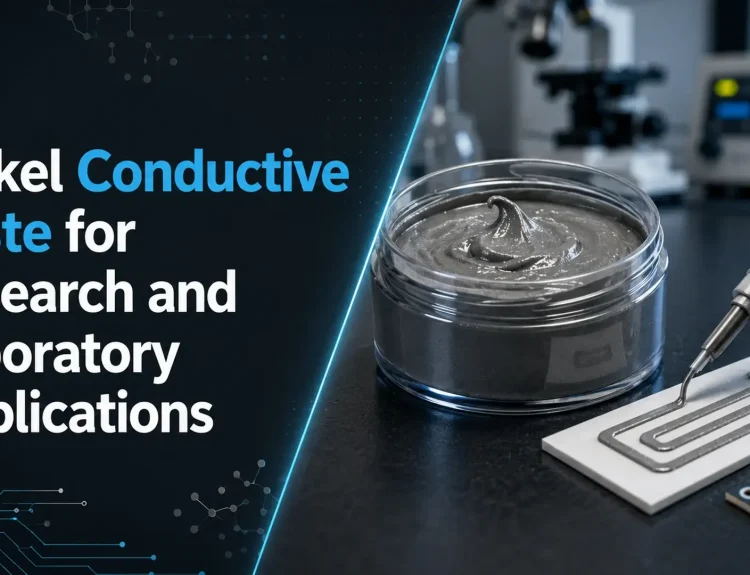

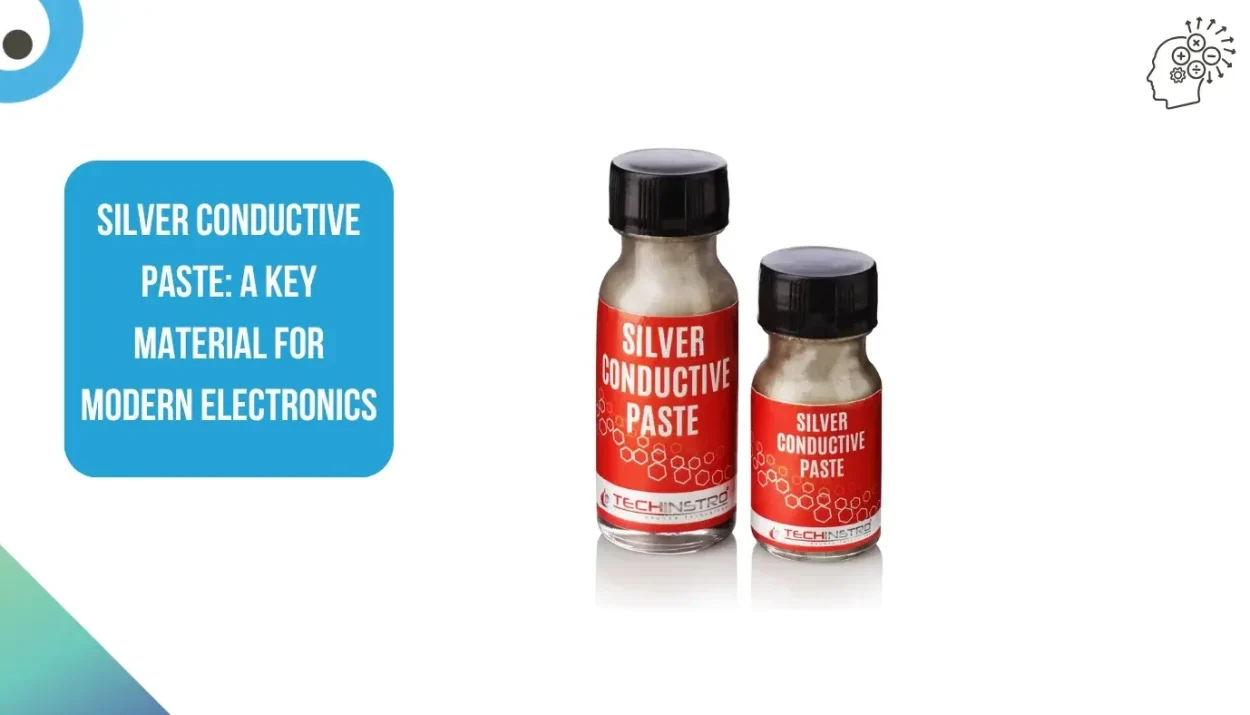
Silver conductive paste is a high-performance material widely used in electronics, photovoltaics, and advanced manufacturing. Known for its excellent electrical conductivity and strong adhesion properties, it plays a critical role in creating reliable electrical connections across a variety of applications.
What is Silver Conductive Paste?
Silver conductive paste is a composite material consisting of finely dispersed silver particles suspended in an organic binder or resin system. Once applied and cured, it forms a conductive pathway that allows efficient electrical flow between components.
Key Properties
Silver conductive paste offers a combination of properties that make it suitable for demanding applications:
- High Electrical Conductivity: Ensures efficient signal and power transmission
- Strong Adhesion: Bonds well to substrates such as glass, ceramics, and polymers
- Thermal Stability: Maintains performance across a wide temperature range
- Low Resistivity: Enables minimal energy loss
- Printability: Compatible with screen printing and other deposition methods
Composition
The performance of silver paste depends on its formulation, which typically includes:
- Silver Particles: Provide electrical conductivity
- Binder or Resin: Ensures adhesion and structural integrity
- Solvents and Additives: Control viscosity, drying time, and processing characteristics
Applications Silver Conductive Paste
Silver conductive paste is used in a wide range of industries:
Electronics Industry
Used for circuit formation, conductive tracks, and component interconnections in printed circuit boards and flexible electronics.
Solar and Photovoltaics
Widely used in solar cells to form front and back contacts, enabling efficient current collection.
Sensors and Touch Panels
Applied in resistive and capacitive touch systems as well as various sensing devices.
LED and Display Technology
Used for electrical connections in LED packaging and display modules.
Research and Development
Utilized in laboratories for prototyping, thin film applications, and experimental setups.
Application Methods
Silver conductive paste can be applied using several techniques depending on the requirement:
- Screen printing for mass production
- Dispensing for precise applications
- Coating for uniform thin films
After application, the paste is typically cured at a specific temperature to achieve optimal conductivity and adhesion.
Advantages
- Provides reliable electrical connections without traditional soldering
- Suitable for temperature-sensitive substrates
- Enables fine pattern formation
- Versatile across rigid and flexible materials
Handling and Storage
For optimal performance, silver conductive paste should be stored in a cool and dry environment. Proper mixing before use ensures uniform dispersion of silver particles. It is important to follow recommended curing conditions to achieve desired electrical and mechanical properties.
Conclusion
Silver conductive paste is an essential material in modern electronics and energy applications. Its superior conductivity, ease of application, and compatibility with various substrates make it a preferred choice for manufacturers and researchers alike. As technology continues to advance, the demand for efficient and reliable conductive materials like silver paste is expected to grow further.