
The nanotechnology revolution is here. At its core are Iron Oxide Nanoparticles (IONPs), which are transforming material science from medical imaging to water purification.
However, as we integrate IONPs into everything, a critical question emerges
The Dual Nature of Iron Oxide Nanoparticles
Iron is essential to life. Our bodies use it to transport oxygen; it is one of the most abundant elements in the Earth’s crust. This inherent “bio-friendliness” is exactly why iron oxide is the material of choice for researchers. Unlike heavy metal quantum dots or carbon nanotubes, iron oxide is generally perceived as low-toxicity.
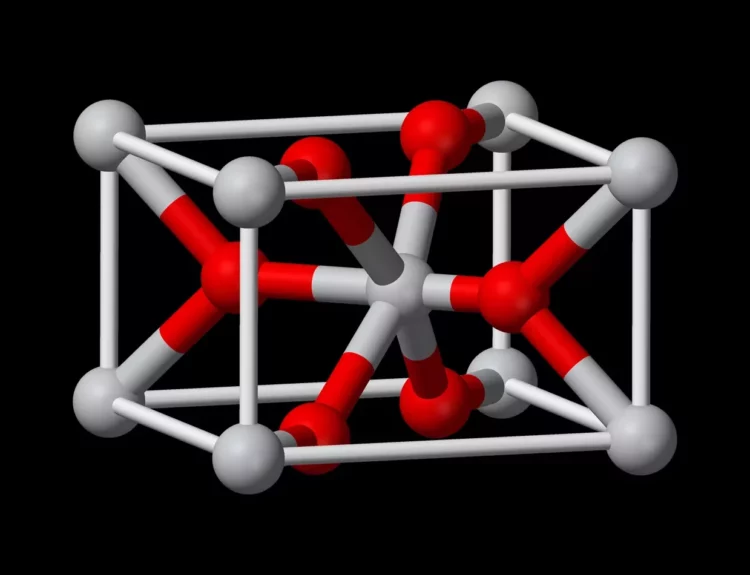
But at the nanoscale, that is, at sizes between 1 and 100 nanometers (a nanometer is one-billionth of a meter), the rules of physics change. When particles are this small, their surface-area-to-volume ratio increases dramatically, making them incredibly reactive. This reactivity is a double-edged sword: it enables remarkable efficiency in applications, but it also demands a sophisticated understanding of Nano-Ecotoxicology, which is the study of how nanoparticles interact with the environment.
Key Considerations for the Next Decade
The Persistence of Nano-E-Waste.
As IONPs are used in industrial filters and consumer electronics, we must consider their life cycle. What happens when these particles enter the soil or the water table, our underground water sources? While iron oxide eventually oxidizes into common rust, the coatings used to stabilize it, such as polymers (long molecules made of repeating units) or surfactants (substances that reduce surface tension), may persist.
Cellular Interactions and Oxidative Stress
In medical applications, the primary concern is how these particles interact with the human immune system. While most IONPs are processed by the liver and spleen, some are highly reactive molecules that can damage cells. Ensuring that nanoparticles are synthesized with high purity and biocompatible coatings and protective layers that are well tolerated by living tissue is the only way to mitigate these risks.
Regulatory Gaps vs. Scientific Pace
Innovation often moves faster than legislation. As we head further into 2026, the global community is working toward standardized Safety by Design protocols and rules that require safety to be built into materials during product development. This means considering the environmental impact of a nanoparticle at the moment of its synthesis, rather than as an afterthought.
The Path Forward: Responsible Innovation
- Preparation means moving forward with precision. The long-term success of nanotechnology depends on three pillars:
- High-Purity Manufacturing: Eliminating toxic byproducts during the synthesis phase (the process in which nanoparticles are created in the lab).
- Surface Engineering: Developing smart coatings and protective layers designed to control how and where the nanoparticles interact, ensuring particles only react where and when they are supposed to.
- Life-Cycle Assessment: Tracking the journey of the nanoparticle from the lab to the environment through a systematic analysis of its entire lifespan, including production, use, and disposal.
- By focusing on these areas, we can harness the benefits of iron oxide, such as targeted drug delivery and carbon capture, without compromising safety.
Conclusion
The Nano-Frontier offers promise but demands discipline. As architects of this revolution, our focus must be clear: advance material science for a safe, high-performance, and sustainable future.
Choose partners dedicated to quality to lead this charge.