
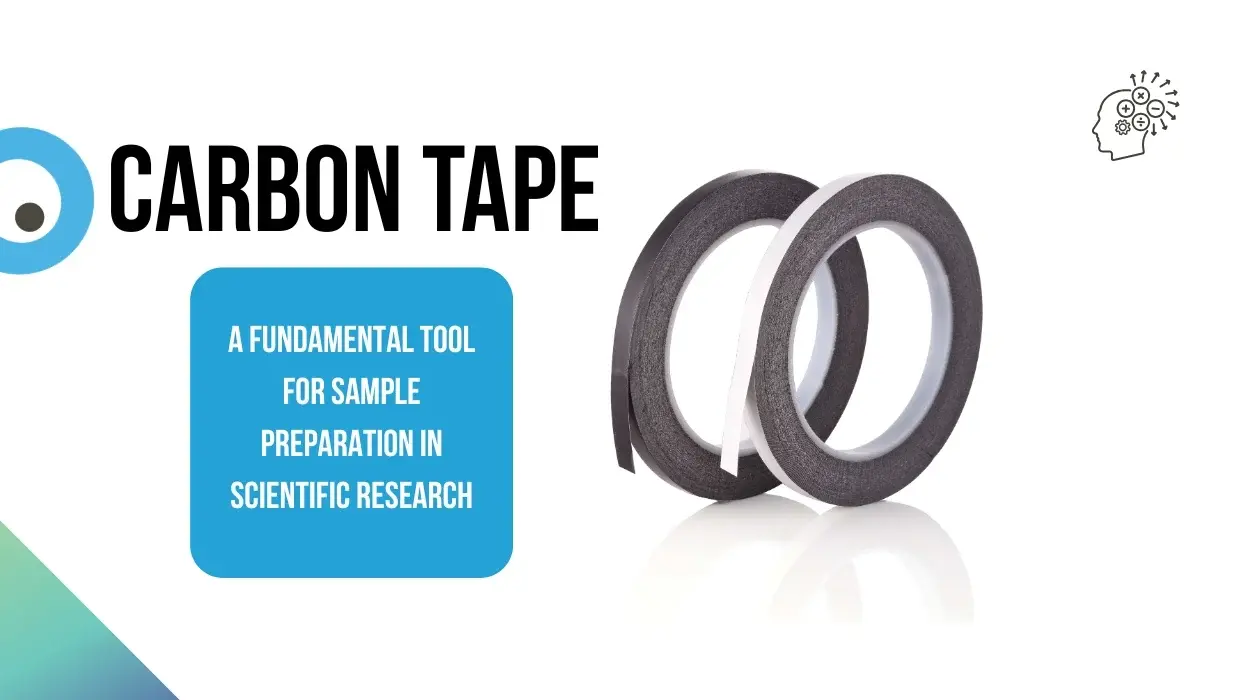
Scientific research relies on precision at every stage of experimentation. While advanced analytical instruments such as Scanning Electron Microscopes (SEM) and Energy Dispersive X-ray Spectroscopy (EDS) often receive the spotlight, the quality of the data they produce depends heavily on proper sample preparation. One of the most widely used materials in this process is Carbon Tape — a conductive adhesive specifically designed to securely mount samples for microscopic and elemental analysis.
For research laboratories, carbon tape is not merely a laboratory accessory; it is an essential component that helps ensure accurate observations, repeatable experiments, and reliable scientific results.
The Role of Carbon Tape in Research
Modern research frequently involves studying materials at the micro- and nanoscale. Whether scientists are examining nanoparticles, semiconductor devices, advanced ceramics, or biological specimens, the sample must remain stable throughout the analytical process.
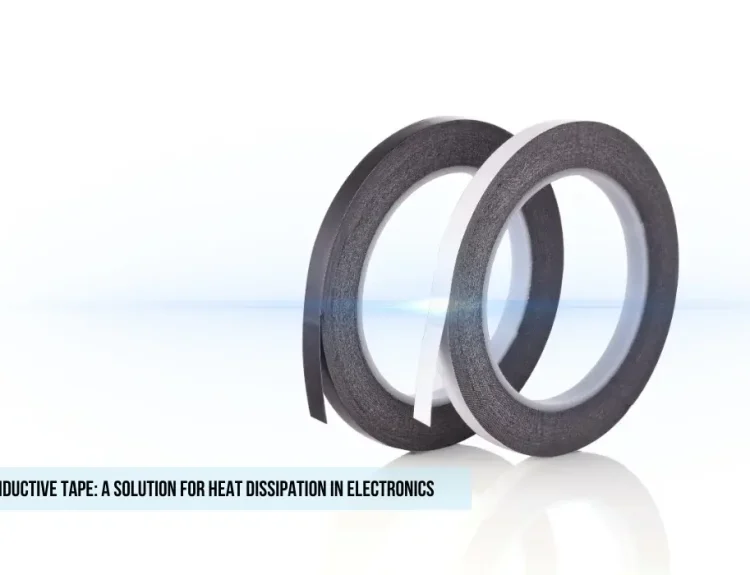
Carbon tape provides a conductive and adhesive surface that firmly secures specimens to sample holders while reducing unwanted movement during imaging. This simple preparation step significantly improves the quality and reproducibility of microscopic investigations.
Supporting Materials Science Research
Materials scientists investigate the structure, composition, and properties of advanced materials to develop stronger alloys, lightweight composites, functional coatings, and high-performance ceramics.
Carbon tape is routinely used for mounting:
- Metallic samples
- Ceramic materials
- Polymer composites
- Thin films
- Fracture surfaces
- Coated substrates
- Powder materials
Proper mounting allows researchers to observe surface morphology, defects, grain structures, and microstructural changes with greater accuracy.
Advancing Nanotechnology Research
Nanotechnology requires extremely careful handling of samples due to their microscopic dimensions. Carbon tape provides a reliable platform for mounting nanomaterials without introducing significant contamination or mechanical damage.
Researchers commonly use carbon tape while studying:
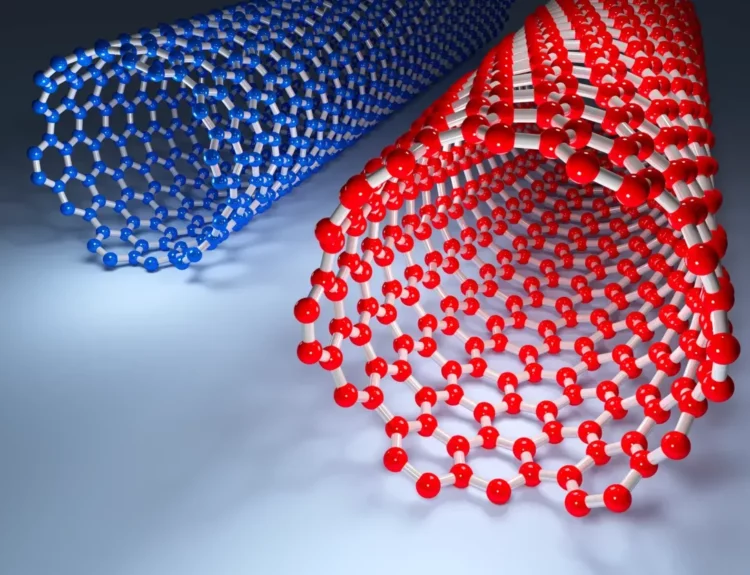
- Carbon nanotubes
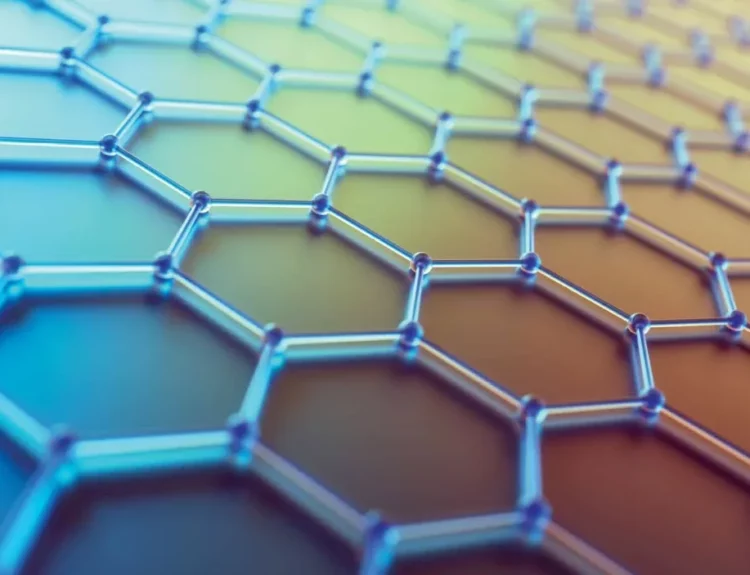
- Graphene
- Metal nanoparticles
- Oxide nanoparticles
- Quantum dots
- Nanofibers
- Two-dimensional materials
Stable sample preparation is essential for obtaining high-resolution images and accurate structural information.
Essential for Electron Microscopy
Scanning Electron Microscopy has become one of the most important analytical techniques in modern research. Carbon tape contributes directly to successful SEM analysis by providing:
- Secure specimen mounting
- Improved electrical contact for conductive samples
- Reduced specimen displacement
- Consistent positioning during analysis
- Simplified sample preparation
These benefits help researchers obtain clear, reproducible images while minimizing preparation time.
Supporting Semiconductor Research
Semiconductor laboratories use carbon tape for examining integrated circuits, silicon wafers, microelectronic packages, MEMS devices, and thin-film structures.
Researchers performing failure analysis, quality assessment, or process development depend on secure sample mounting to ensure accurate microscopic observations.
Applications in Geological and Environmental Research
Earth scientists frequently analyze minerals, rocks, soils, sediments, and environmental particulates to understand geological processes and environmental changes.
Carbon tape enables researchers to mount irregularly shaped specimens for detailed microscopic examination and elemental characterization without extensive sample modification.
Enabling Interdisciplinary Research
Carbon tape supports investigations across numerous scientific disciplines, including:
- Materials Science
- Nanotechnology
- Physics
- Chemistry
- Electronics
- Environmental Science
- Geology
- Forensic Science
- Polymer Engineering
- Biomedical Materials Research
Its versatility allows laboratories from different research areas to use a common sample preparation method for diverse analytical applications.
Compatible with Modern Research Techniques
Carbon tape is widely used alongside advanced laboratory instruments, including:
- Scanning Electron Microscopy (SEM)
- Energy Dispersive X-ray Spectroscopy (EDS/EDX)
- Optical Microscopy
- Surface Morphology Analysis
- Particle Size Investigation
- Failure Analysis
- Materials Characterization
- Quality Assurance Research
Its compatibility with these techniques makes it a standard consumable in many research facilities.
Why Research Laboratories Prefer Carbon Tape
Scientific research requires materials that support consistent and reproducible experimentation. Carbon tape offers several practical advantages:
- Reliable specimen adhesion
- Conductive surface for analytical applications
- Easy handling and preparation
- Minimal contamination during mounting
- Suitable for a wide variety of sample types
- Compatible with laboratory analytical equipment
- Efficient sample preparation workflow
- Consistent performance across repeated experiments
These characteristics make carbon tape an important consumable in research laboratories worldwide.
A Small Component with a Significant Scientific Contribution
Many scientific breakthroughs depend on careful sample preparation rather than sophisticated instrumentation alone. Carbon tape exemplifies this principle by providing researchers with a reliable method for mounting specimens prior to analysis.
Although often overlooked, its role is critical in ensuring that observations accurately represent the material being studied. Every clear SEM image, every successful elemental map, and every reliable microscopic investigation begins with proper sample preparation.
Conclusion
Carbon tape has become an indispensable laboratory consumable for research institutions working in materials science, nanotechnology, electronics, environmental science, and advanced microscopy. By providing secure specimen mounting and supporting high-quality analytical investigations, it enables researchers to generate reliable data and advance scientific understanding.
In modern research, where precision begins long before an experiment reaches the microscope, carbon tape continues to serve as a trusted foundation for accurate materials characterization and scientific discovery.