
Copper foam is an advanced porous material that combines the excellent conductivity of Copper with a highly intricate network of interconnected pores. What truly sets copper foam apart is not just the material itself, but the architecture of its pores, which directly influences its performance across a wide range of applications.
What Makes Copper Foam Special?
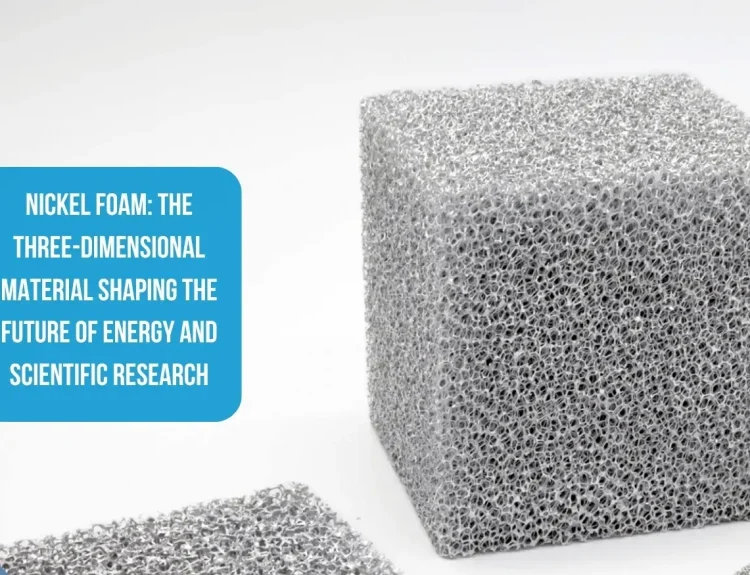
Unlike solid copper sheets or foils, copper foam consists of a three-dimensional lattice structure filled with voids (pores). These pores can occupy a significant portion of the material—often up to 90–98% porosity—making it lightweight yet highly functional.
The result is a material that offers:
- High surface area
- Efficient heat and mass transfer
- Excellent electrical and thermal conductivity
Structure of Pores in Copper Foam
The pores in copper foam are not random; they are carefully engineered to achieve specific properties.
Open-Cell Structure
Most copper foams feature an open-cell structure, meaning the pores are interconnected. This allows:
- Fluids and gases to pass through easily
- Enhanced permeability
- Improved reaction efficiency in catalytic and filtration applications
Pore Size (PPI – Pores Per Inch)
Pore size is commonly measured in PPI (pores per inch).
- Low PPI (5–20 PPI)
- Larger pores
- Higher flow rates
- Suitable for filtration and fluid transport
- Medium PPI (20–50 PPI)
- Balanced pore size
- Used in heat exchangers and electrodes
- High PPI (50–100+ PPI)
- Very fine pores
- Higher surface area
- Ideal for battery electrodes and catalytic applications
Visual Appearance of Pores
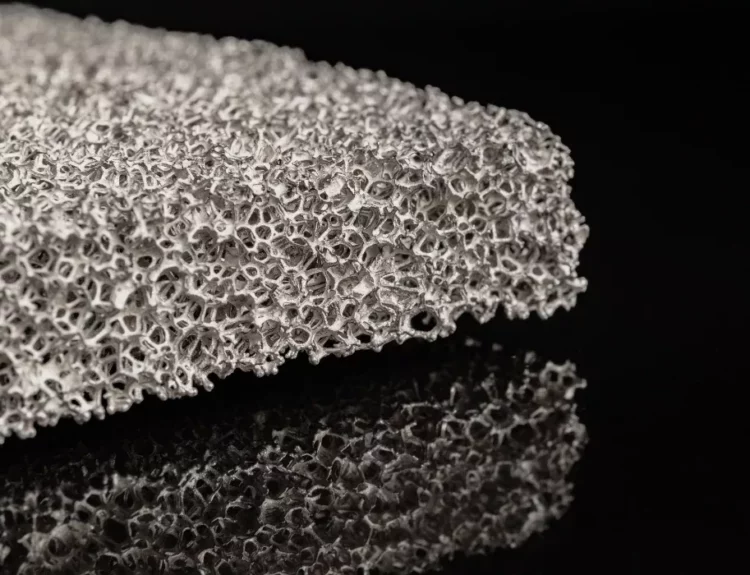
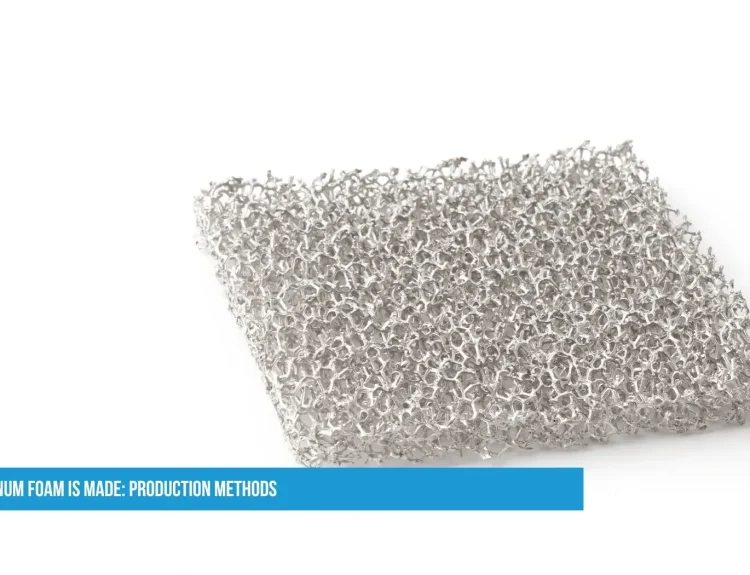
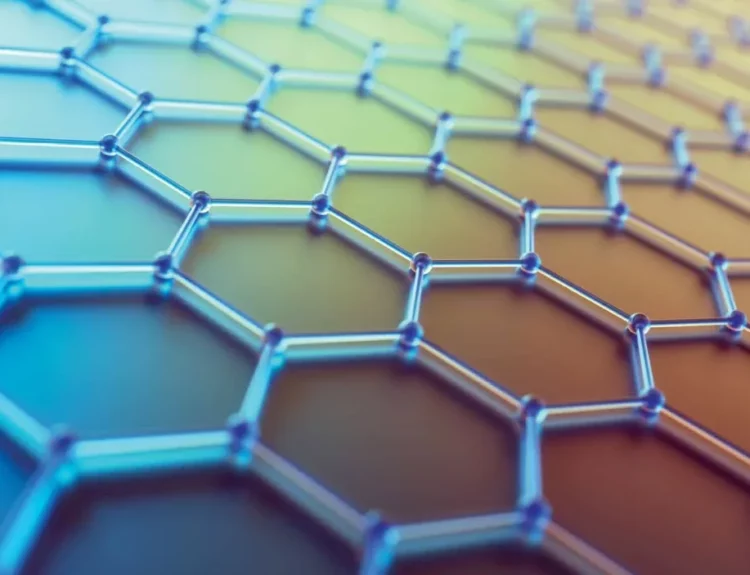
The pore structure gives copper foam a sponge-like or honeycomb appearance:
- Irregular yet interconnected cavities
- Thin metallic ligaments forming the framework
- Uniform distribution in high-quality foam
Depending on manufacturing, the surface may appear:
- Bright metallic orange (fresh copper)
- Slightly darkened due to oxidation
Key Benefits of the Porous Structure
The pores are not just a design feature—they are the reason copper foam is so effective:
- High Surface Area
Provides more active sites for chemical reactions and energy transfer - Efficient Heat Dissipation
Air or liquid can flow through pores, improving cooling performance - Lightweight Design
High porosity reduces overall weight without sacrificing functionality - Enhanced Capillary Action
Useful in wicking and fluid distribution systems
Applications Driven by Pore Design
The pore structure directly determines where copper foam is used:
- Battery and Energy Storage
Acts as a current collector with high surface interaction - Heat Exchangers
Improves thermal management due to airflow through pores - Filtration Systems
Traps particles while allowing fluid passage - Catalysis and Chemical Processing
Provides a large reactive surface
Factors Affecting Pore Quality
To ensure optimal performance, pore characteristics must be controlled:
- Uniformity: Even pore distribution ensures consistent performance
- Connectivity: Proper interlinking enhances flow and conductivity
- Strength of Ligaments: Prevents collapse under pressure
- Purity of Copper: Maintains conductivity and durability
Handling and Maintenance
Copper foam’s porous nature makes it more delicate than solid metal:
- Avoid compressing or deforming the structure
- Keep away from corrosive environments
- Store in dry conditions to minimize oxidation
Conclusion
Copper foam is a remarkable material where structure defines function. Its intricate pore network transforms simple copper into a high-performance solution for modern engineering challenges. By carefully controlling pore size, distribution, and connectivity, manufacturers can tailor copper foam for applications ranging from energy storage to thermal management.
In essence, it is the pores—not just the metal—that make copper foam truly valuable.