
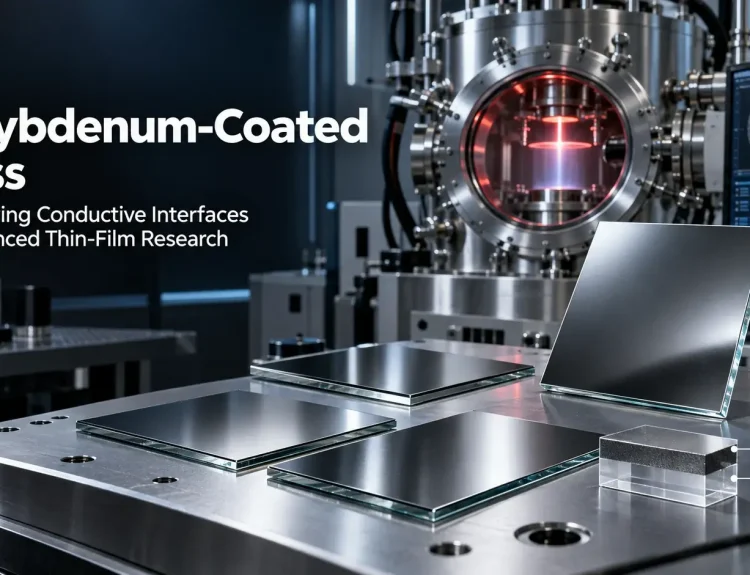
Molybdenum-Coated Glass: Engineering Conductive Interfaces for Advanced Thin-Film Research
Advancing thin-film technology depends heavily on controlling surfaces and interfaces at very small scales. In many research applications, the...

Advancing thin-film technology depends heavily on controlling surfaces and interfaces at very small scales. In many research applications, the...
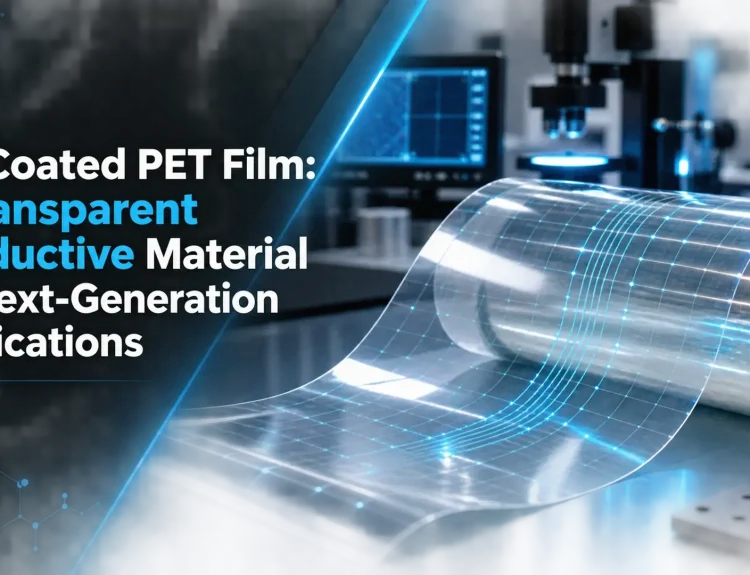
Modern electronic materials are increasingly expected to perform more than one function. A surface may need to remain transparent...
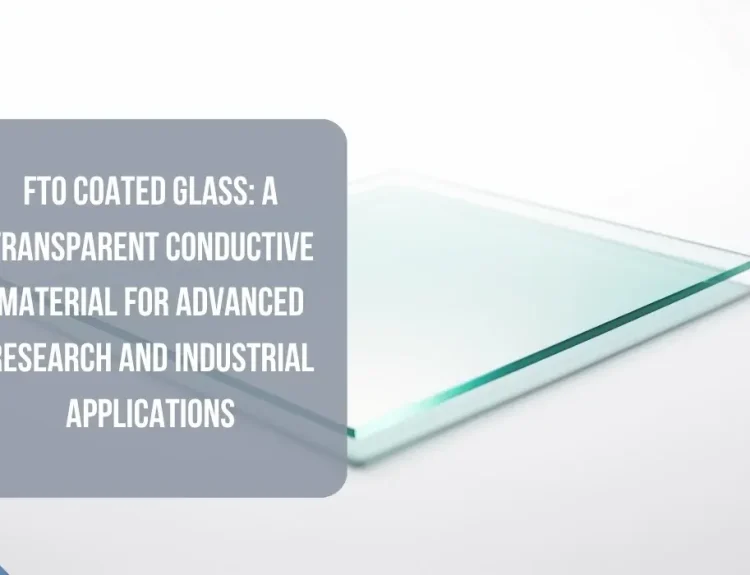
Fluorine-Doped Tin Oxide (FTO) Coated Glass is a transparent conductive substrate widely used in scientific research, renewable energy technologies,...
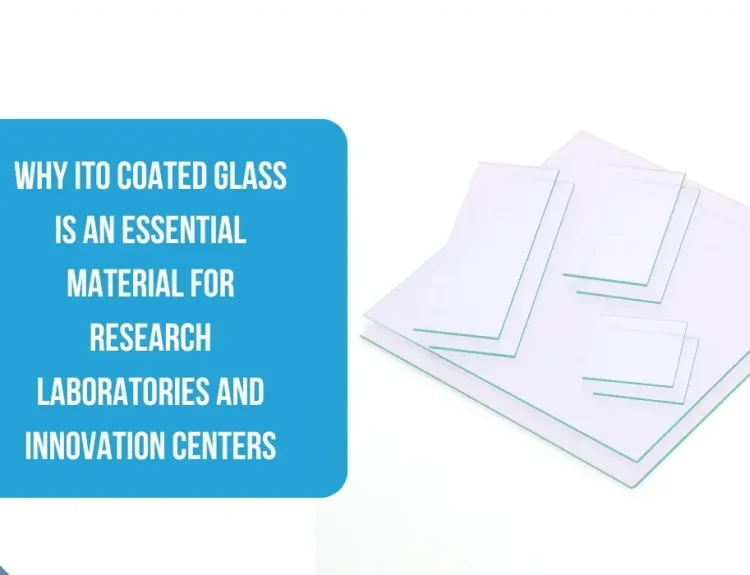
Scientific discoveries often begin with the right materials. Whether researchers are developing next-generation solar cells, investigating nanomaterials, fabricating biosensors,...
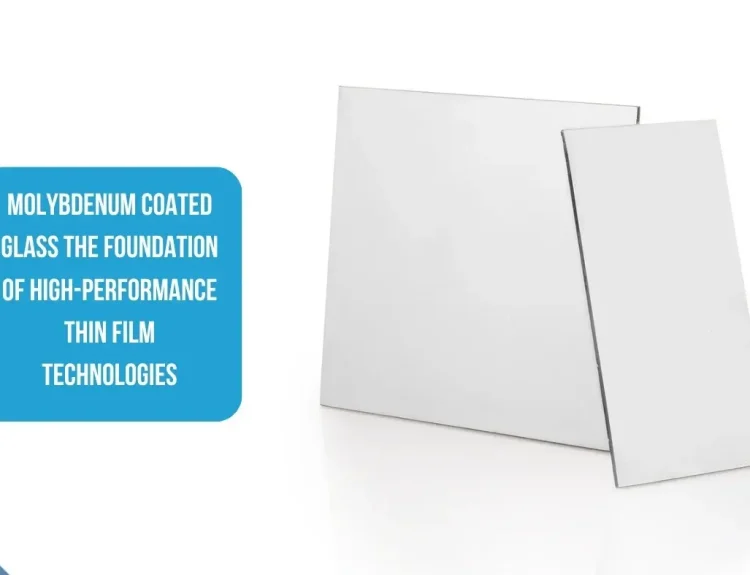
Industries at the forefront of innovation require materials that enable breakthroughs, and Molybdenum Coated Glass stands out as the...
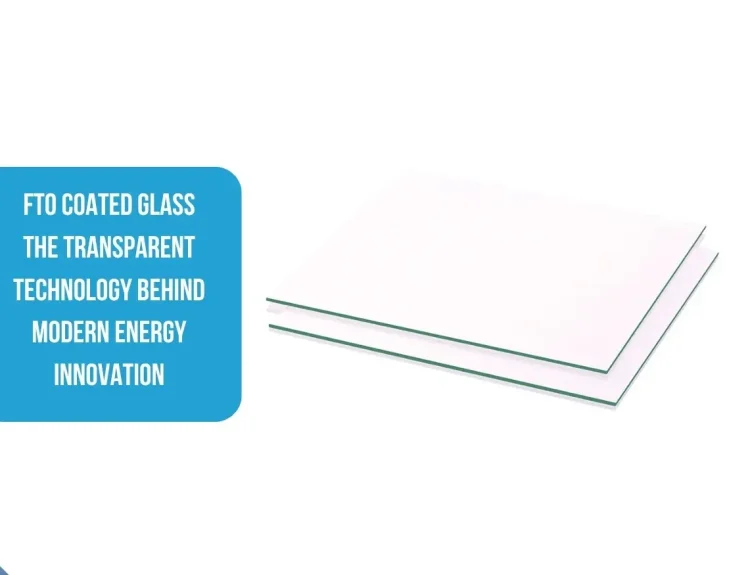
At first glance, glass appears passive — transparent, fragile, and ordinary. But modern material science has transformed simple glass...
In a world increasingly driven by touchscreens, smart devices, and energy-efficient systems, one material quietly plays a crucial role...
Indium Tin Oxide (ITO) coated glass combines optical transparency with electrical conductivity, making it essential in modern optoelectronics. Selecting...

Have you ever wondered how your smartphone screen knows exactly where you tap? Or how solar panels turn sunlight...

Glassmaking is ancient. In 2026, it gained a digital brain. For decades, creating Fluorine-doped Tin Oxide (FTO) coated glass,...