
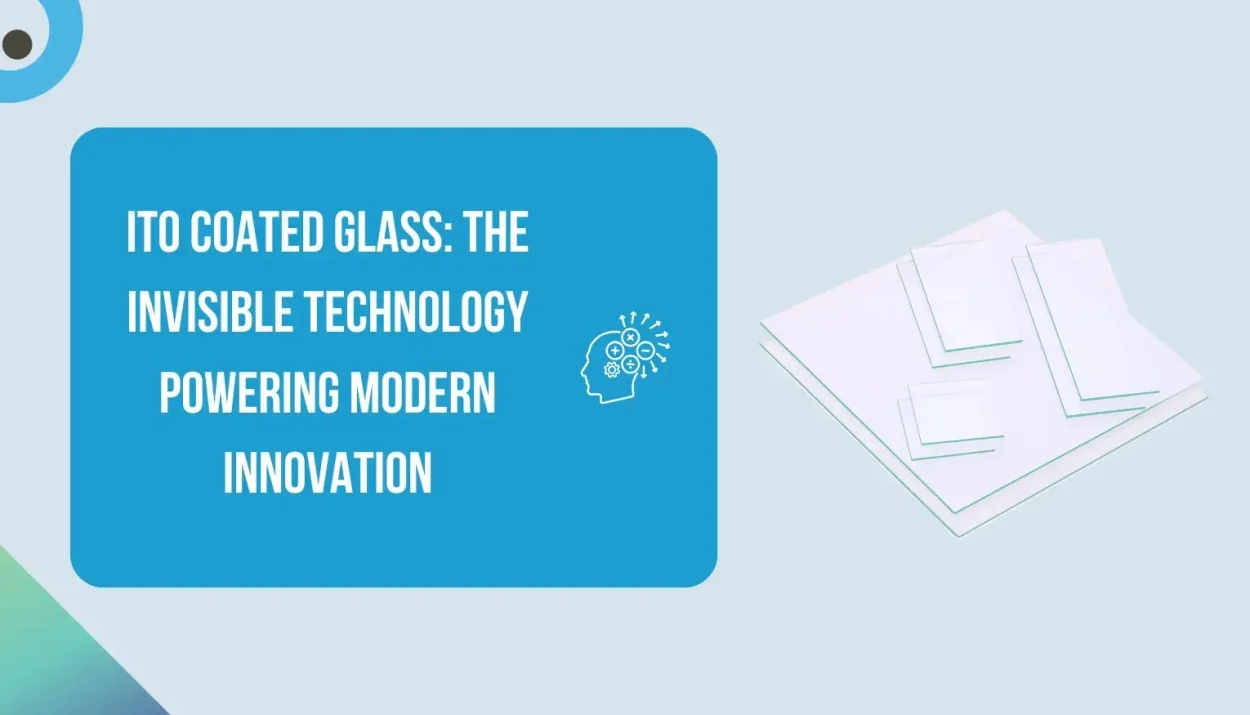
In a world increasingly driven by touchscreens, smart devices, and energy-efficient systems, one material quietly plays a crucial role behind the scenes—ITO coated glass. Though it appears like ordinary glass, its unique properties make it indispensable in industries ranging from electronics to renewable energy.
What is ITO Coated Glass?
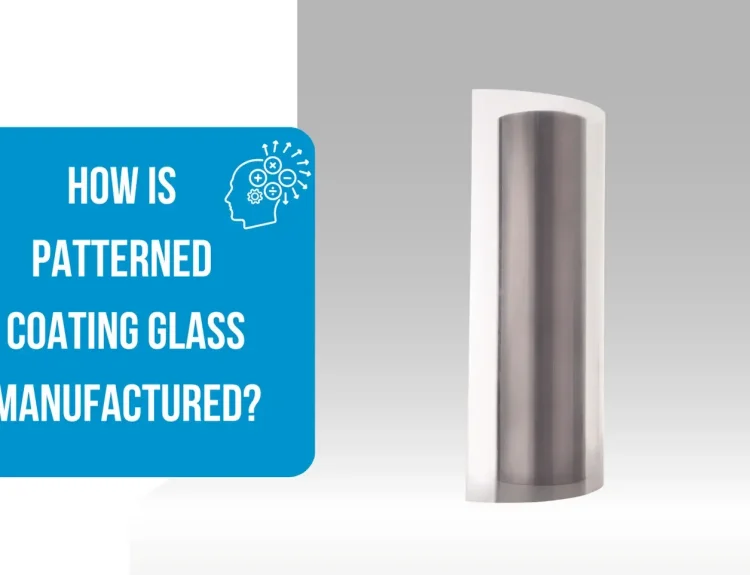
ITO coated glass is a specialized type of glass coated with a thin layer of Indium Tin Oxide (ITO)—a transparent, electrically conductive material. This coating allows the glass to conduct electricity while still maintaining high optical transparency.
The combination of these two properties—conductivity and transparency—is rare, which is why ITO coated glass is so valuable.
How is it Made?
The manufacturing process typically involves depositing a thin film of indium tin oxide onto the surface of glass using techniques such as:
- Magnetron sputtering
- Chemical vapor deposition (CVD)
- Thermal evaporation
These methods ensure a uniform, durable coating that adheres strongly to the glass surface without compromising clarity.
Key Properties
ITO coated glass stands out due to its exceptional characteristics:
- High Optical Transparency: Allows visible light to pass through with minimal loss
- Electrical Conductivity: Enables it to function as an electrode
- Low Electrical Resistance: Ensures efficient performance in electronic devices
- Chemical Stability: Resistant to environmental degradation
- Smooth Surface Finish: Ideal for precision applications
Applications Across Industries
ITO coated glass has become a backbone material in modern technology:
- Touchscreen Devices
From smartphones to tablets, ITO coated glass serves as the conductive layer that detects touch input.
- Display Technologies
Used in LCD, LED, and OLED screens, it acts as a transparent electrode that controls pixel behavior.
- Solar Panels
In photovoltaic cells, ITO layers help conduct electricity while allowing sunlight to reach active layers.
- Smart Windows
ITO coatings enable glass to regulate heat and light transmission, improving energy efficiency in buildings.
- Laboratory and Scientific Equipment
ITO glass is widely used in electrochemical experiments, sensors, and research setups due to its stable conductive surface.
Why is ITO So Important?
The importance of ITO lies in its ability to bridge the gap between optics and electronics. Without it, many of today’s technologies—especially touch-based interfaces—would either not exist or be far less efficient.
Challenges and Alternatives
Despite its advantages, ITO has some limitations:
- Cost of Indium: Indium is relatively rare and expensive
- Brittleness: The coating can crack under stress
- Limited Flexibility: Not ideal for flexible electronics
As a result, researchers are exploring alternatives such as graphene, silver nanowires, and conductive polymers. However, ITO still remains the industry standard due to its reliability and performance.
The Future of ITO Coated Glass
With the rise of smart technologies, wearable devices, and renewable energy systems, demand for ITO coated glass continues to grow. Innovations are focusing on improving durability, reducing costs, and enhancing performance for next-generation applications.
Final Thoughts
ITO coated glass may be invisible to the naked eye, but its impact is everywhere—from the screen you’re reading on to the solar panels powering homes. It is a perfect example of how advanced materials quietly shape the modern world, enabling technologies that define our everyday lives.