
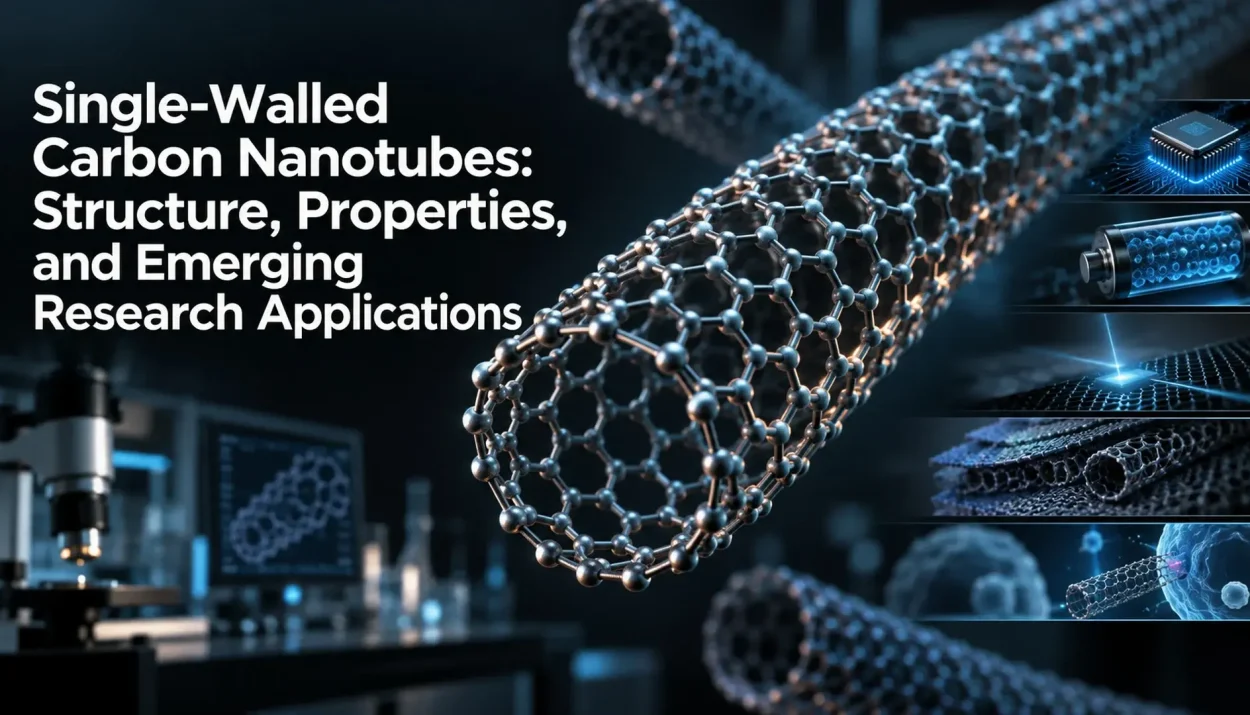
Single-Walled Carbon Nanotubes (SWCNTs) are one-dimensional carbon nanomaterials consisting of a single cylindrical sheet of sp²-bonded carbon atoms. Their nanoscale diameter, high aspect ratio, exceptional mechanical strength, and distinctive electrical and optical characteristics have made them a key focus of research in nanoscience and advanced materials engineering.
Since their discovery, researchers have extensively investigated SWCNTs for applications involving conductive networks, nanoscale electronics, energy-related materials, sensors, composite structures, and advanced surface coatings. Their properties can vary considerably depending on their atomic structure, diameter, chirality, purity, and degree of alignment.
Atomic Structure of Single-Walled Carbon Nanotubes
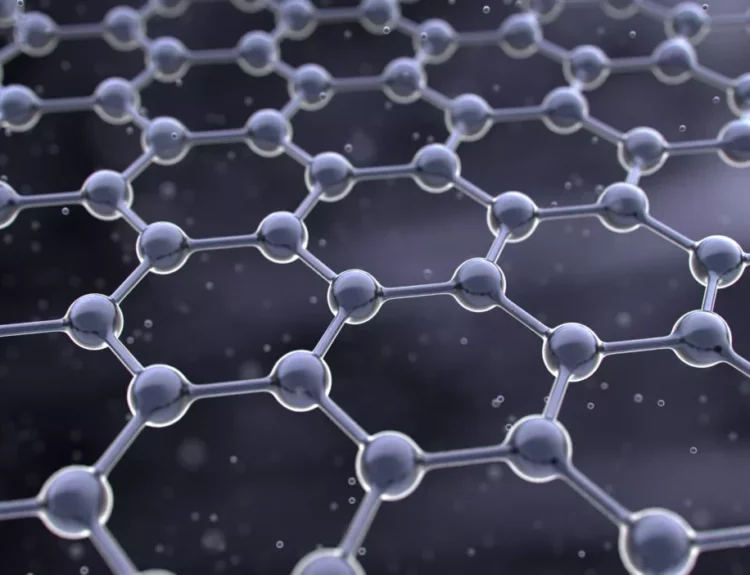
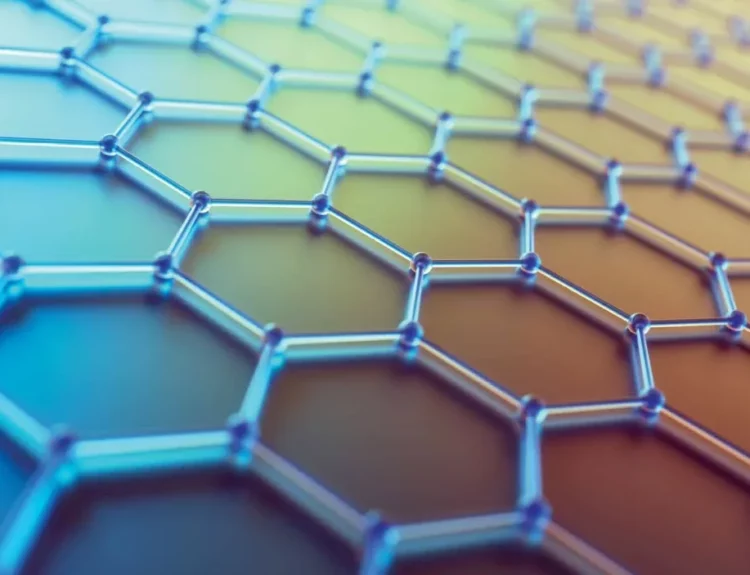
An SWCNT can be conceptually described as a graphene sheet rolled into a seamless cylindrical structure. The way the graphene lattice rolls determines the nanotube’s chirality, commonly represented by a pair of integers (n,m).
The chiral indices influence several fundamental nanotube properties, including its electronic behavior. Depending on its atomic arrangement, an SWCNT can exhibit either metallic or semiconducting characteristics.
Three commonly discussed structural configurations are:
- Armchair nanotubes
- Zigzag nanotubes
- Chiral nanotubes
This structural diversity allows researchers to investigate SWCNTs for applications that require specific electrical, optical, or mechanical characteristics.
Electrical Properties
One of the most significant characteristics of SWCNTs is their exceptional electrical behavior. Some SWCNT structures exhibit highly conductive, metallic behavior, while others show semiconducting behavior. At the nanoscale, electrical transport can be strongly influenced by the nanotube’s chirality, defects, contact resistance, and interactions with neighboring nanotubes.
Researchers frequently study SWCNT networks rather than isolated nanotubes because interconnected nanotube structures can form conductive pathways across larger surfaces. These networks are particularly interesting for:
- Flexible conductive coatings
- Thin-film electronics
- Transparent conductive layers
- Field-effect transistor research
- Nanoscale interconnects
- Conductive composite materials
Mechanical Characteristics
SWCNTs have remarkable mechanical properties due to the strong carbon-carbon bonds within their graphitic structure. They can exhibit high tensile strength and stiffness while remaining extremely lightweight.
When incorporated into polymeric or other matrix materials, SWCNTs can improve mechanical performance when dispersion, interface bonding, nanotube concentration, and processing conditions are carefully controlled.
This has led to research into SWCNT-reinforced:
- Polymer composites
- Structural materials
- Conductive composites
- Lightweight engineering components
- Nanostructured coatings
Optical and Spectroscopic Properties
SWCNTs demonstrate distinctive optical characteristics associated with their one-dimensional electronic structure. Their optical absorption and emission behavior can depend strongly on nanotube diameter and chirality.
Spectroscopic techniques such as Raman spectroscopy, photoluminescence spectroscopy, UV-visible-NIR spectroscopy, and infrared spectroscopy are widely used to investigate SWCNT characteristics.Raman spectroscopy is particularly valuable for evaluating nanotube structure. Important spectral features include the Radial Breathing Mode (RBM), the G-band, and the D-band.
The relationship between these spectral features can provide information about nanotube diameter, graphitic structure, defects, and material quality.
Role of Purity and Dispersion
The performance of SWCNT-based materials depends significantly on material quality. Commercial SWCNT samples may contain different forms of carbonaceous material or other residual components depending on the synthesis and purification process.
Important parameters for research-grade SWCNT materials include:
- Carbon purity
- Nanotube length
- Diameter distribution
- Chirality distribution
- Defect concentration
- Residual catalyst content
- Bundle formation
- Dispersion stability
- Surface functionalization
Dispersion is particularly important when SWCNTs are incorporated into liquids, polymers, or coating formulations. Strong nanotube-to-nanotube interactions can promote bundling, which may reduce the effectiveness of individual nanotubes within a composite or conductive network.
Researchers therefore investigate mechanical mixing, ultrasonication, surfactant-assisted dispersion, polymer wrapping, and chemical functionalization to achieve more uniform nanotube distributions.
Synthesis Techniques
Several techniques have been developed for producing SWCNTs. The most widely investigated methods include:
Chemical Vapor Deposition
Chemical Vapor Deposition (CVD) uses a carbon-containing precursor and a catalyst system under controlled temperature and atmospheric conditions. CVD is widely studied because it can support scalable nanotube growth and offers opportunities to control growth conditions.
Arc Discharge
Arc discharge involves generating an electrical arc between carbon electrodes in a controlled atmosphere. The high-temperature environment can produce carbon nanotubes along with other carbonaceous structures.
Laser Ablation
Laser ablation uses high-energy laser radiation to vaporize a carbon target containing suitable catalyst materials. Under controlled conditions, carbon atoms can reorganize into nanotube structures. Each synthesis method has advantages and limitations related to yield, purity, diameter distribution, chirality control, scalability, and post-processing requirements.
Surface Functionalization
Pristine SWCNTs can be chemically modified or physically coated to alter their interaction with surrounding materials.
Functionalization strategies may improve:
- Dispersion
- Interfacial bonding
- Solvent compatibility
- Composite integration
- Surface reactivity
- Selective molecular interactions
However, excessive chemical modification can introduce structural defects and alter the electrical or optical characteristics of the nanotubes. Consequently, researchers often seek a balance between improved processability and preservation of the intrinsic nanotube properties.
SWCNT-Based Conductive Networks
When dispersed across a substrate, SWCNTs can form interconnected conductive pathways. Electrical conductivity depends on nanotube concentration, network connectivity, tube length, alignment, contact resistance, and processing conditions.
A critical concept in these systems is the percolation threshold. Below a certain concentration, nanotubes may remain largely isolated, limiting electrical transport. Once a sufficiently connected network develops, conductivity can increase substantially.This phenomenon has made SWCNTs particularly attractive for research into thin conductive films and composite materials.
Research in Energy-Related Materials
Researchers are also investigating SWCNTs as conductive components and structural additives in advanced energy-related material systems.Their high electrical conductivity, large surface area, and nanoscale geometry can facilitate electron transport and improve connectivity between active material components.
Research areas include:
- Electrochemical electrodes
- Supercapacitor architectures
- Battery electrode composites
- Conductive additive systems
- Hydrogen-related materials research
- Nanostructured energy devices
The effectiveness of SWCNTs depends strongly on their dispersion, loading level, surface characteristics, and interaction with the surrounding material.
Sensors and Nanoscale Detection
The electrical properties of SWCNTs can change when molecules interact with their surfaces. This sensitivity has encouraged extensive research into nanotube-based sensing platforms.
SWCNT-based sensor research includes the detection of changes associated with:
- Gas adsorption
- Humidity
- Temperature
- Strain
- Pressure
- Chemical environments
For example, molecule adsorption onto an SWCNT surface can modify charge transport through the nanotube or across a nanotube network. Researchers can measure these changes electrically to investigate sensing mechanisms.
Flexible and Transparent Electronics
The combination of electrical conductivity, nanoscale dimensions, flexibility, and optical characteristics makes SWCNT networks attractive for flexible electronic materials.
Researchers have investigated SWCNT films for:
- Transparent electrodes
- Flexible conductive layers
- Thin-film transistors
- Stretchable circuits
- Printed electronics
- Conductive coatings
Nanotube alignment, network density, film thickness, substrate interaction, and processing technique influence the performance of these films.
SWCNTs in Composite Materials
Incorporating SWCNTs into polymers, ceramics, and other matrices can create multifunctional composite materials. Even relatively low nanotube concentrations can influence electrical, mechanical, thermal, and electromagnetic characteristics when an effective nanoscale network is established.
Current research focuses on controlling:
- Nanotube dispersion
- Interface interactions
- Orientation and alignment
- Loading concentration
- Processing conditions
- Network formation
Understanding these parameters is essential for translating nanoscale properties into measurable macroscopic performance.
Characterization Techniques
Comprehensive characterization is essential when evaluating SWCNT materials.
Common techniques include:
Raman Spectroscopy: Used to examine graphitic structure, defects, and radial breathing modes.
Scanning Electron Microscopy: Provides information about morphology, network structure, and nanotube distribution.
Transmission Electron Microscopy: Enables detailed observation of nanotube dimensions and structural characteristics.
Thermogravimetric Analysis: Can be used to investigate thermal behavior and estimate carbonaceous composition.
UV-Visible-NIR Spectroscopy: Provides information about optical absorption and electronic transitions.
Electrical Resistivity Measurements: Used to evaluate conductive behavior of individual nanotubes, films, and composite networks.
Combining multiple characterization techniques provides a more complete understanding of SWCNT material quality.
Future Research Directions
Future SWCNT research increasingly focuses on better control of nanotube structure, purity, chirality, alignment, and integration.
Important research directions include:
- Selective production of specific nanotube chirality’s
- Large-scale synthesis with improved consistency
- Low-defect nanotube production
- Advanced dispersion technologies
- Controlled nanotube alignment
- High-performance transparent conductive films
- Printed SWCNT electronics
- Multifunctional nanocomposites
- Advanced electrochemical materials
- Nanoscale sensing platforms
A major challenge remains producing SWCNTs with narrowly defined structural characteristics at commercially viable scales.
Conclusion
Single-Walled Carbon Nanotubes represent a versatile class of nanomaterials with exceptional electrical, mechanical, optical, and structural characteristics. Their properties originate from their unique one-dimensional carbon framework and are strongly influenced by chirality, diameter, defects, purity, and interactions with surrounding materials.
Scientific research continues to explore SWCNTs in conductive networks, flexible electronics, sensors, composite materials, electrochemical systems, and other advanced technologies. As synthesis and purification techniques continue to improve, greater control over nanotube structure and material integration could expand their role in next-generation nanotechnology and materials research.