
At first glance, glass appears passive — transparent, fragile, and ordinary. But modern material science has transformed simple glass into something far more intelligent. One remarkable example is FTO coated glass, a material that combines optical transparency with electrical conductivity, opening the door to advanced technologies ranging from solar cells to smart sensors.
FTO-coated glass may look like standard glass to the human eye, yet its surface carries a highly engineered conductive layer that can transport electricity while still allowing light to pass through. This rare combination has made it one of the most important substrates in modern photovoltaic and electrochemical research, setting the stage for a closer look at what makes this material unique.
What Is FTO Coated Glass?
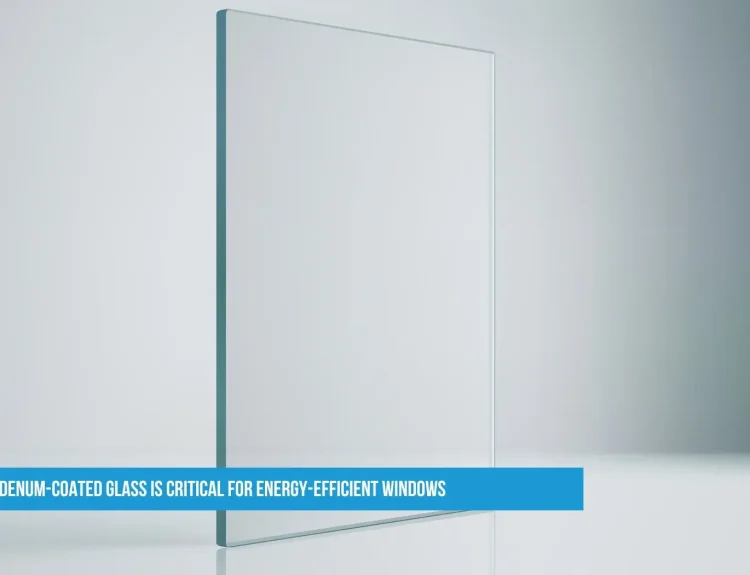
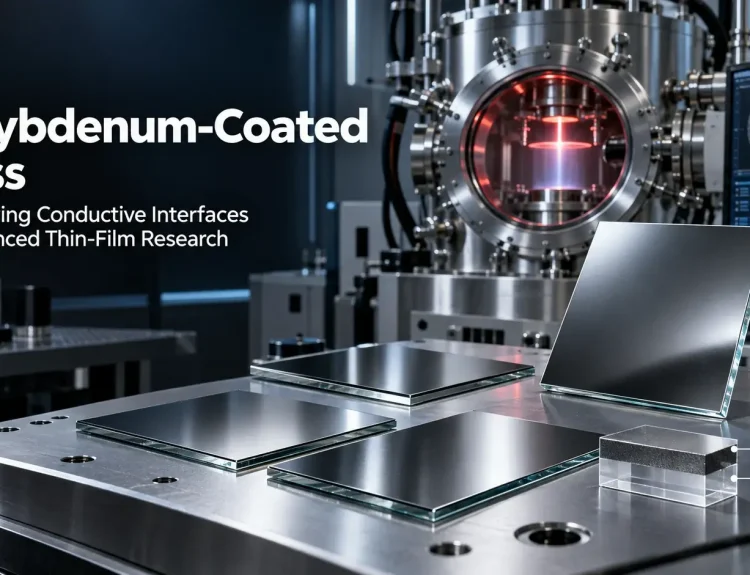
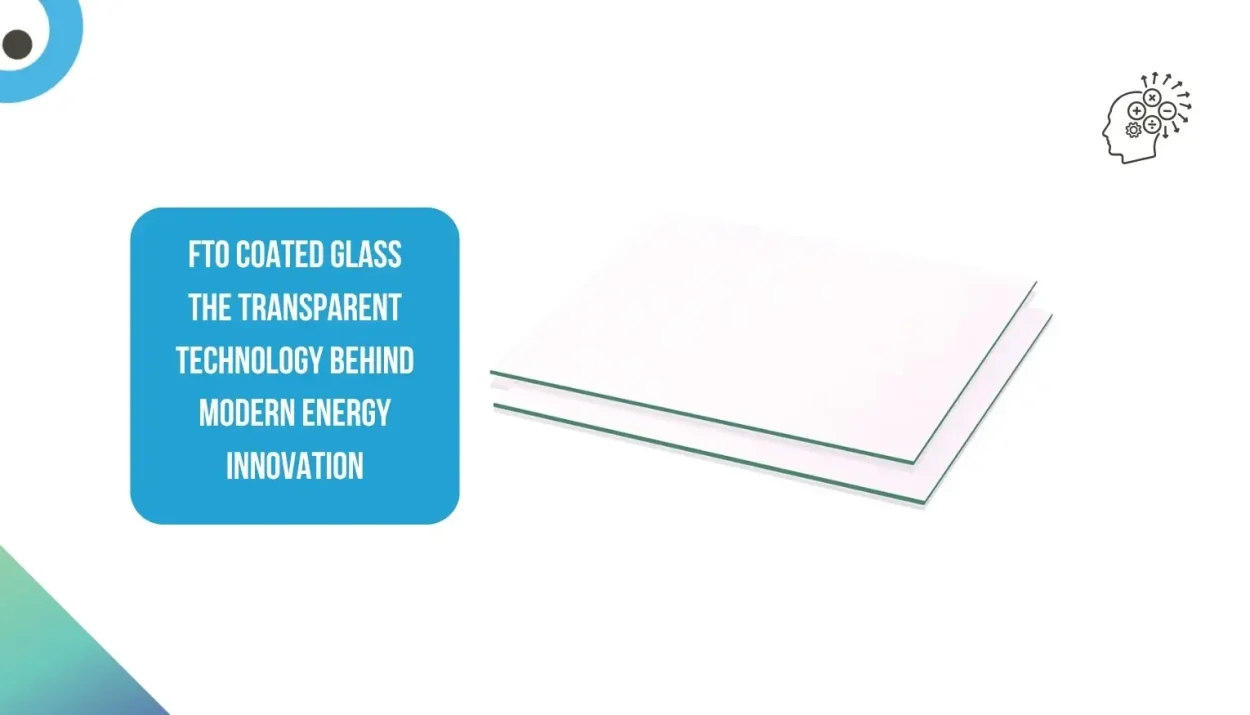
FTO stands for Fluorine-Doped Tin Oxide. It is a transparent conductive oxide (TCO) layer deposited onto glass surfaces through specialized coating techniques.
In simple terms, the glass remains transparent, while the thin FTO layer behaves like an electrically conductive surface.
This unique structure provides:
- High optical transparency
- Low electrical resistance
- Thermal stability
- Chemical durability
- Strong adhesion
- Excellent light transmission
- Unlike ordinary conductive metals, FTO coatings do not significantly block visible light, making them ideal for applications that require both illumination and electrical activity. Understanding how FTO achieves this balance requires a closer exploration of its scientific foundations.
The Science Behind Transparency and Conductivity
- Typically, conductors like copper are opaque, while transparent materials like glass lack conductivity.
- FTO-coated glass solves this contradiction through material engineering.
- The tin oxide layer is “doped” with fluorine atoms, increasing the number of free charge carriers within the material. This allows electrons to move through the coating while still maintaining transparency.
- The result is a surface that behaves almost invisibly while functioning electrically.
- This balance between light transmission and conductivity is what makes FTO glass technologically valuable. These capabilities have driven its adoption in fields such as solar cell technology, where these dual properties are critical.
A Critical Material in Solar Cell Technology
- One of the most important uses of FTO-coated glass is in photovoltaic systems.
- In solar cells, such as dye-sensitized and perovskite types, FTO glass serves as the transparent electrode, allowing sunlight to enter and collecting electrical charges during conversion.
- Its role is essential because it performs two functions at once:
- Permits maximum light penetration
- Collects electrical charges efficiently
- Without transparent conductive materials like FTO, many next-generation solar technologies would not be practical.
- As renewable energy demand grows globally, FTO-coated substrates are increasingly important in energy research laboratories and industrial manufacturing.
More Than Just Solar Applications
Although widely associated with solar cells, FTO-coated glass is used in many other advanced technologies.
In Electrochemical Research
Scientists use FTO glass as an electrode substrate in:
- Electrochemical sensors
- Water splitting experiments
- Photoelectrochemical studies
- Thin-film deposition research
- Its chemical resistance and conductivity make it ideal for laboratory experimentation.
In Smart Glass Systems
FTO layers are also used in smart windows and electrochromic devices, where transparency changes dynamically with applied voltage.
In Heating Applications
Conductive glass can generate controlled heat when an electrical current passes through it, making it useful in:
- Defogging systems
- Heated mirrors
- Transparent heaters
- Instrumentation panels
In Display Technologies
Transparent conductive coatings are important for touchscreens, displays, and optoelectronic systems requiring invisible electrical pathways. As we compare FTO to other options, its advantages become more apparent.
Why Researchers Prefer FTO Over Other Conductive Coatings
Several transparent conductive materials exist, including ITO (Indium Tin Oxide). However, FTO-coated glass offers unique advantages.
Superior Thermal Stability
FTO coatings tolerate higher processing temperatures compared to many alternatives. This is especially useful during high-temperature fabrication processes.
Cost Advantages
Tin-based materials are generally more economical and accessible than indium-based coatings.
Chemical Durability
FTO layers exhibit strong resistance against chemical degradation in many environments.
Because of these benefits, FTO-coated glass remains a preferred substrate in many research and industrial applications. Achieving such performance depends heavily on precise manufacturing methods.
Manufacturing Precision at the Nanoscale
Producing high-quality FTO-coated glass requires advanced deposition technology. Manufacturers carefully control:
- Coating thickness
- Surface resistance
- Optical transmittance
- Surface roughness
- Crystallinity
Even small variations can affect the electrical and optical performance of the final product.
The coating process often involves techniques such as:
- Spray pyrolysis
- Chemical vapor deposition
- Magnetron sputtering
- Each method influences the film properties differently depending on the intended application. Despite these advances, FTO-coated glass still faces ongoing challenges.
Challenges and Future Possibilities
Despite its advantages, FTO-coated glass also faces challenges.
Researchers continue working to improve:
- Conductivity efficiency
- Transparency optimization
- Flexible substrate compatibility
- Large-area manufacturing
- Cost reduction
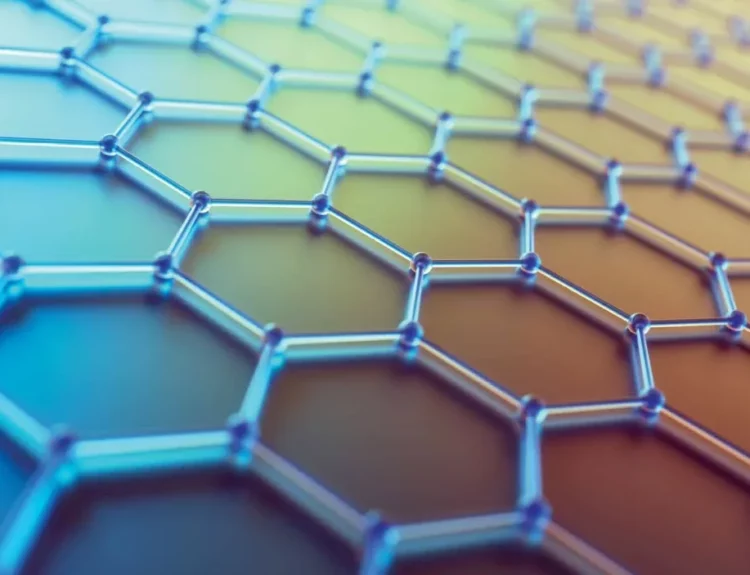
- The future may involve combining FTO with nanomaterials such as graphene or silver nanowires to create even more advanced transparent conductive systems.
- As flexible electronics, wearable devices, and next-generation solar technologies expand, transparent conductive materials will become increasingly important. The journey of FTO-coated glass reflects the broader trend of innovation in material science.
Conclusion
- FTO coated glass represents one of the most fascinating achievements in material engineering — a surface that remains visually transparent while functioning electrically.
- Its role in solar energy, smart devices, electrochemistry, and optoelectronics demonstrates how advanced coatings can transform ordinary materials into multifunctional technological platforms.
- Though often hidden inside research equipment and electronic systems, FTO-coated glass quietly supports innovations shaping the future of clean energy and intelligent technology.
- In many ways, it is not simply glass with a coating — it is a transparent gateway to the next generation of scientific advancement.