
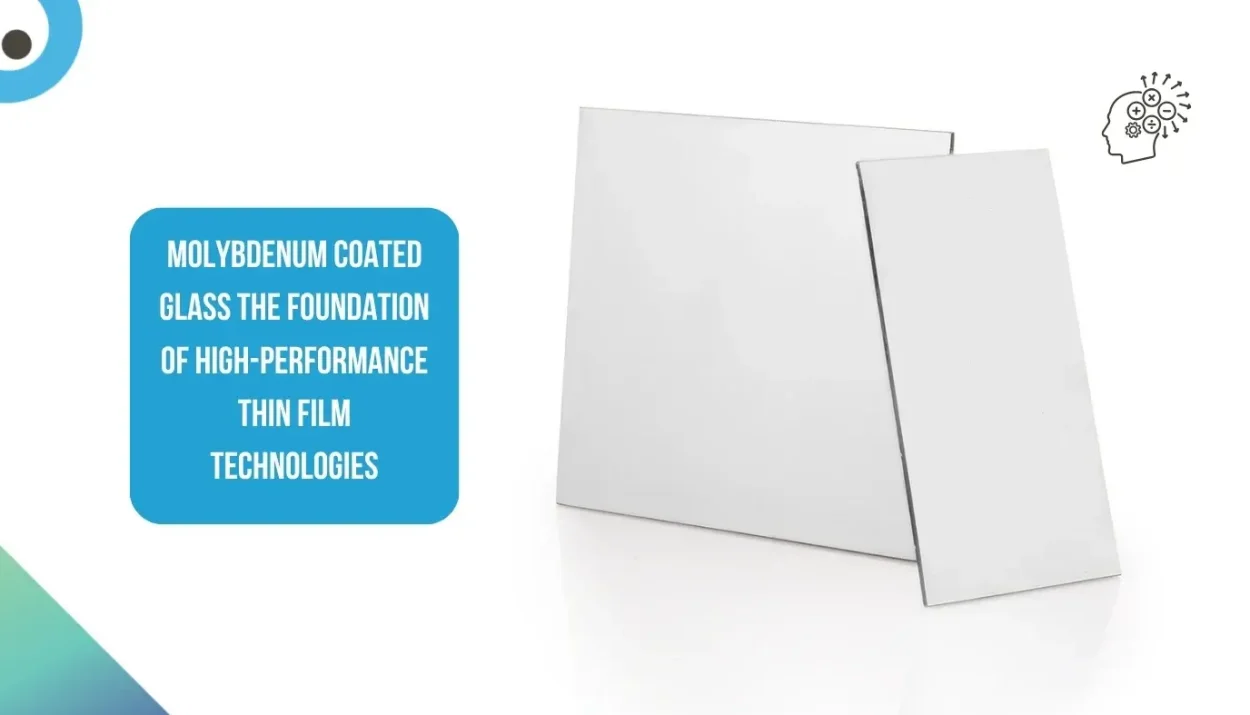
Industries at the forefront of innovation require materials that enable breakthroughs, and Molybdenum Coated Glass stands out as the premier solution. By fusing the optical clarity and robustness of glass with the unmatched electrical and thermal performance of molybdenum, this material is transforming the landscape for electronics, renewable energy, and advanced material research.
Purpose-built for the most demanding scientific and industrial challenges, molybdenum-coated glass delivers unmatched reliability and precision for thin-film deposition, semiconductor fabrication, solar cell manufacturing, and breakthrough research initiatives.
What is Molybdenum Coated Glass?
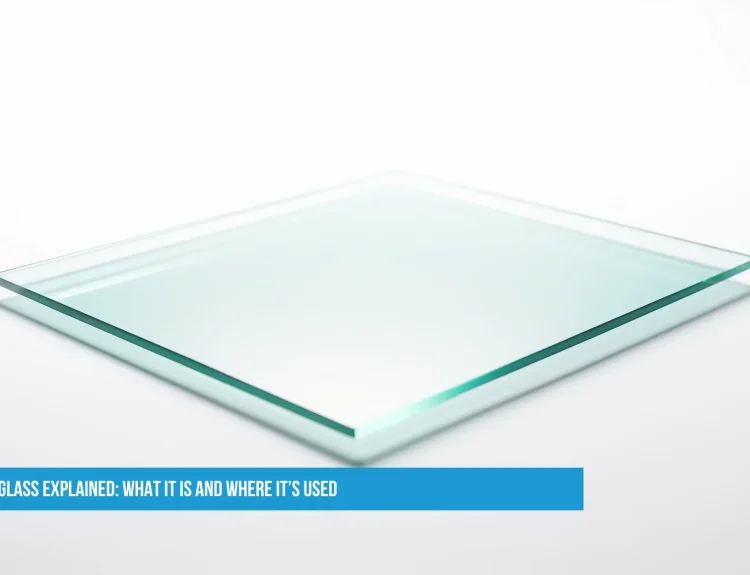
Molybdenum-coated glass consists of a high-quality glass substrate uniformly coated with a thin molybdenum layer via advanced vacuum deposition techniques, such as magnetron sputtering. The resulting material offers a conductive, durable, and thermally stable surface while retaining the mechanical strength and flatness of the underlying glass.
The coating thickness can be precisely controlled to meet specific conductivity, adhesion, and performance requirements, making it suitable for both laboratory research and large-scale industrial production.
Why Molybdenum?
Molybdenum is a refractory metal known for its remarkable ability to perform under extreme conditions. Unlike many conventional conductive materials, molybdenum maintains its structural integrity and electrical performance even at elevated temperatures.
Its unique properties include:
- High electrical conductivity
- Excellent thermal stability
- Superior adhesion to glass substrates
- Low thermal expansion
- Strong corrosion resistance
- High melting point of 2623°C
- Outstanding mechanical durability
- These outstanding characteristics make molybdenum the undisputed choice when reliability and long-term performance cannot be compromised.
Key Benefits of Molybdenum Coated Glass
- Exceptional Conductive Performance The molybdenum layer maximizes electron transport, directly increasing energy efficiency in photovoltaic devices, electronic circuits, and thin-film applications.
- High-Temperature Resistance Molybdenum-coated glass withstands harsh thermal cycles, preserving product performance and reducing downtime during manufacturing.
- Excellent Surface Uniformity Precision coatings ensure uniformity, enabling consistent device performance and yield in high-accuracy applications.
- Enhanced Durability The durable layer resists wear and corrosion, resulting in fewer replacements and long component service life.
- Reliable Thin Film Growth Strong adhesion and a stable surface enable versatile thin-film growth, supporting repeatable, high-quality results in manufacturing and research.
Applications Across Advanced Industries
Thin-Film Solar Cells
Molybdenum-coated glass is widely used as the back-contact electrode in CIGS (Copper Indium Gallium Selenide) solar cells. Its conductivity and thermal stability contribute significantly to device efficiency and long-term reliability.
Semiconductor Research
Research laboratories use molybdenum-coated glass to develop semiconductor structures, test deposition techniques, and fabricate electronic devices.
Display and Electronics Manufacturing
The material serves as a conductive substrate in specialized electronic displays, sensors, and microelectronic components where precision and consistency are critical.
Electrochemical and Sensor Applications
Its conductive and corrosion-resistant nature makes it suitable for:
- Electrochemical studies
- Gas sensors
- Biosensors
- Energy storage devices
- Fuel cell research
Materials Science Research
Scientists frequently use molybdenum-coated glass in investigations involving thin-film materials, nanotechnology, surface engineering, and advanced coating development.
Manufacturing Process
The manufacturing process consists of four key stages: substrate preparation, vacuum deposition, thickness optimization, and quality control.
Substrate Preparation
Glass substrates are rigorously cleaned to remove contaminants and ensure coating quality.
Vacuum Deposition
Molybdenum is sputtered onto the cleaned glass substrate in a vacuum chamber.
Thickness Optimization
Coating thickness is monitored to achieve specified properties.
Quality Assurance
Each coated substrate is tested for:
- Sheet resistance
- Coating adhesion
- Surface uniformity
- Thickness accuracy
- Structural integrity
Customization Options
To meet diverse research and industrial requirements, molybdenum-coated glass can be supplied in various configurations:
- Custom dimensions
- Different glass thicknesses
- Tailored molybdenum coating thicknesses
- Specific sheet resistance values
- Single-side coating
- Double-side coating
- Research-grade or production-grade quality
The Future of Molybdenum Coated Glass
As the world’s most advanced technologies progress, choosing dependable conductive substrates is pivotal. Molybdenum-coated glass is poised to drive the success of next-generation solar panels, flexible electronics, advanced sensing systems, and semiconductor devices, securing its place at the core of future innovation.
Molybdenum-coated glass stands out for its reliable conductivity, exceptional thermal endurance, and proven ability to reduce maintenance costs, making it a compelling choice for users seeking advanced performance.
Conclusion
By uniting glass’s mechanical stability with molybdenum’s conductive and protective qualities, molybdenum-coated glass serves as an enabling solution for breakthroughs in research, energy production, and electronic innovation.
Whether used in thin-film solar cells, semiconductor fabrication, or scientific research, molybdenum-coated glass delivers the performance, stability, and reliability required to support the technologies of tomorrow.